
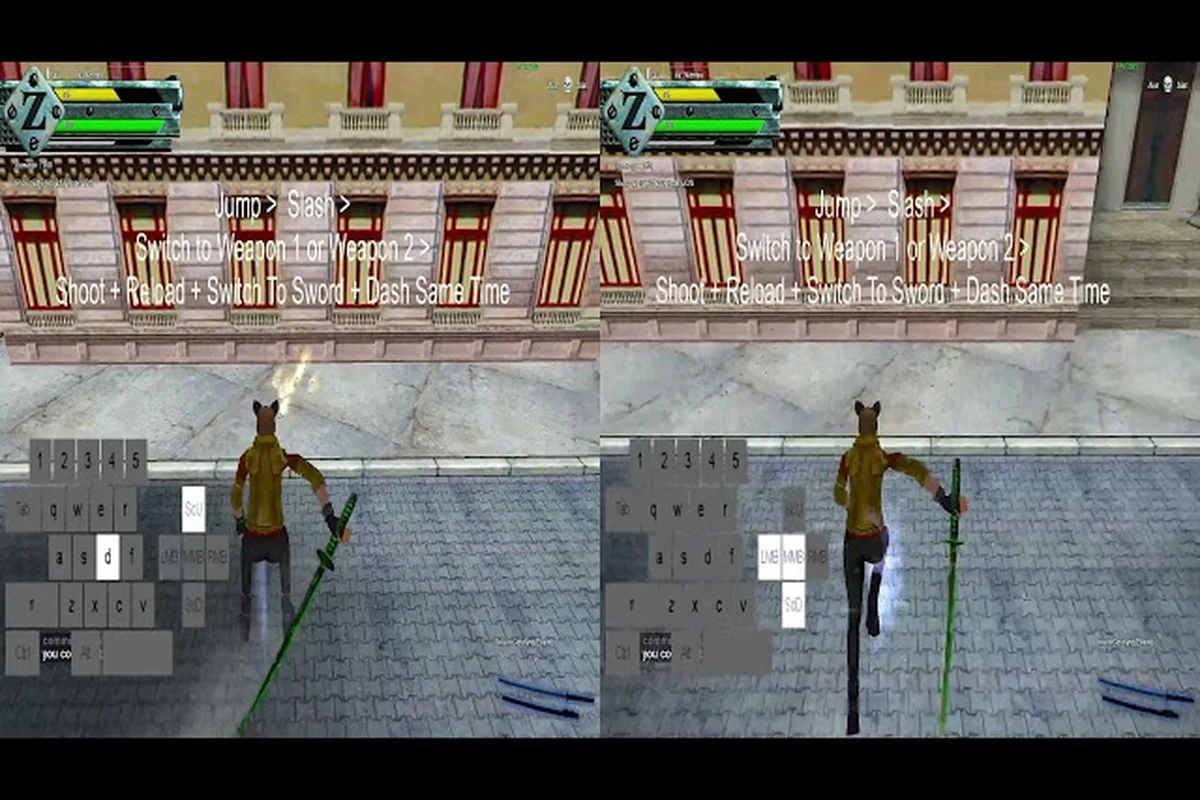
The GunZ The Duel movement guide you're about to read breaks down the core mobility system that separates veterans from newcomers in this remastered 2003 action shooter. Since the game launched globally on Steam on August 13, 2026, thousands of players have jumped into matches only to find themselves outmaneuvered by opponents who chain dashes, wallruns, and aerial shots into seamless combos. Understanding movement isn't optional here—it's the difference between landing hits and eating bullets. This GunZ The Duel basic combat guide focuses on the foundational techniques you need before your first match, so you can start building muscle memory instead of frustration.
The learning curve is steep, but the payoff is worth it. Players who invest even thirty minutes in the training room report dramatically better performance in their first real duels, according to community reports from the launch week. This quick start approach prioritizes the movements that matter most, skipping advanced tech until you've internalized the basics. By the time you finish reading, you'll know exactly what to practice, why each technique works, and how to chain them together in actual combat scenarios.
Core Movement Mechanics: Dash, Wall-Run, and Positioning
| Launch Event Period | Duration | Reward Type | Notes |
|---|---|---|---|
| Launch Event | 14 Aug – 6 Oct 2026 | Event-exclusive items | Main launch celebration window |
| Welcome Reward | One-time | In-game currency/items | Claimed at first login post-launch |
| 200K Wishlist Reward | One-time | Milestone reward | Unlocked when Steam wishlist hit 200K |
| Launch Celebration Attendance | Daily stamps | Daily login rewards | Requires consecutive daily logins |
| XP & BT UP Adjustment | Every 2 weeks | Boosted XP & Battle Treasure rates | Rate changes apply server-wide during event |
GunZ: The Duel's combat revolves around a simple premise: movement cancels animation, and animation cancels create openings. Every weapon in the game has a recovery period after each swing or shot, but dashing, jumping, and wallrunning can interrupt those recovery frames. This mechanic, known in the community as K-Style (short for Korean Style), transforms what would be a clunky third-person shooter into a fast-paced arena where positioning trumps raw aim.
The movement system operates on a few core principles that every player must understand before stepping into combat: dash-canceling, slash-shotting, and reload-canceling form the foundational trinity of GunZ’s animation-canceling engine. Unlike traditional shooters where movement is purely positional, GunZ rewards players who chain butterfly and half-step techniques to break hitstun and maintain momentum. Mastering the dash-cancel window (roughly 8–10 frames) determines whether you can close distance on a Daeva user or get kited indefinitely. Without this baseline, even the best aim fails against opponents who exploit reload-cancel to fire while evading.
-
Dash-canceling: Pressing the dash key (default Shift) during a weapon swing cancels the recovery animation, letting you move immediately after attacking
-
Wallrunning: Running into a wall while airborne triggers a brief wallrun that resets your jump, enabling vertical escapes
-
Aerial combat: Jumping while shooting or slashing keeps you mobile and harder to hit, since most players aim at chest height
-
Stamina management: Every dash and wallrun consumes stamina, so reckless movement leaves you vulnerable
These mechanics work together to create a fluid combat loop. You dash toward an opponent, slash, cancel the recovery with another dash, jump, wallrun up a nearby structure, and fire down from above. Each action flows into the next, and the only limit is your stamina bar and your ability to execute the inputs quickly.
According to the official GunZ: The Duel website, the remaster preserves the original movement physics while improving server response times, which means the techniques that worked in 2003 still function today. The developers at Masangsoft have kept the core feel intact because they understand that movement is the heart of the game. New players often struggle because they treat it like a traditional shooter, but once you internalize that movement is your primary weapon, everything else clicks into place.
Essential Techniques for Your First Match
Before you queue into your first match, you need to master four fundamental techniques that form the backbone of GunZ The Duel basic combat. These aren't advanced tricks—they're the minimum viable toolkit for surviving even a casual duel. Practice each one in the training room until you can execute it without thinking, because hesitation in combat means death. For a more structured breakdown of how these fundamentals chain into movement, stance, and timing, see our Gunz The Duel First Hour guide, which walks you through the exact order to practice them so you don't waste time on the wrong drills.
Dash-Canceling Fundamentals
Dash-canceling is the single most important technique in the game. When you swing a melee weapon, your character enters a recovery animation that locks you in place for roughly half a second. Pressing dash during that window cancels the recovery, letting you move immediately. This turns every swing into a hit-and-run opportunity rather than a commitment.
The timing window is forgiving—about 200 milliseconds after the attack connects—which makes it accessible for beginners. Start by practicing with a sword in the training room: swing, dash, swing, dash. Once you feel comfortable, add a jump between dashes to create distance. The rhythm becomes second nature after a few sessions, and you'll notice your kill speed improving because you're no longer standing still between attacks.
Wallrun and Vertical Movement
Wallruns open up the vertical dimension of every map, and they're essential for escaping bad situations or setting up aerial attacks. To execute a wallrun, jump toward a wall and hold forward while pressing jump again when you make contact. Your character will run up the wall briefly before launching backward, which resets your double jump and gives you a height advantage.
This technique is particularly useful in tight corridors where opponents expect you to stay grounded. A well-timed wallrun lets you escape a cornered position, reposition above your enemy, and drop down with a slashing attack that catches them off guard. The wallrun reset is the key detail—it effectively gives you a third jump, which extends your airtime significantly.
Aerial Shooting and Slashing
Attacking while airborne keeps you mobile and makes you a harder target. When you jump and fire a gun, your character maintains their trajectory, which means you can strafe in the air while shooting. Melee attacks in the air have a slight downward arc, making them effective for hitting grounded opponents.
The real power of aerial combat comes from combining it with dash-canceling. Jump, slash, dash mid-air, slash again—this chain keeps you moving while dealing damage. Most new players stay grounded because it feels safer, but the opposite is true. Grounded players are predictable, and predictable players lose duels.
Stamina Conservation
Every dash, wallrun, and extended jump consumes stamina, and running out mid-combat leaves you completely vulnerable. The stamina bar regenerates quickly when you're grounded and moving, but slowly when you're airborne or standing still. Managing this resource is the difference between executing a full combo and being caught mid-animation.
A good rule of thumb is to never drop below 30% stamina during a fight. Reserve enough for an emergency dash or wallrun to escape a bad engagement. New players often exhaust their stamina chasing kills, only to find themselves unable to retreat when the tables turn.
Movement Training Routine
Building muscle memory requires structured practice, not just random playtime. This GunZ The Duel movement guide recommends a 20-minute daily routine that targets each core technique individually before combining them. Players who follow this routine for a week report noticeable improvement in their duel performance, based on community feedback from the launch period.
| Session Day | Focus Area | Drill | Duration |
|---|---|---|---|
| Day 1-2 | Dash-canceling | Swing-dash chains in training room | 10 minutes |
| Day 3-4 | Wallruns | Wallrun into double jump loops | 10 minutes |
| Day 5-6 | Aerial combat | Jump-slash-dash combos on training dummies | 10 minutes |
| Day 7 | Full integration | Free-form movement with all techniques | 20 minutes |
The key is consistency over intensity, and that principle holds even more true in GunZ's high-skill ceiling. Ten focused minutes of deliberate practice in the Training Room—grinding out a single Butterfly or Half-Step until your fingers execute it without conscious thought—beats an hour of mindless Deathmatch button-mashing. As you progress, increase the speed of your inputs and chain movement between targets to simulate real combat conditions; start by practicing a dash-cancel into a slash on a stationary bot, then add a target switch mid-combo to mimic the unpredictable strafing you'll face in your first match. This builds the muscle memory for the game's signature mechanics, like Slash Shot and Butterfly, turning them from conscious actions into reflexive responses that keep your character moving and your hitbox hard to track.
Training Room Drills
The training room is your best friend during the learning process. Set up a route that requires you to dash between targets, wallrun over obstacles, and finish with an aerial attack. Repeat this route until you can complete it without stopping or hesitating. Then try it in reverse, then with your non-dominant hand on the movement keys.
Input buffering is another concept worth practicing. The game buffers inputs slightly, meaning you can press the next action a few frames before the current one finishes, and it will execute immediately. This reduces the gap between actions and makes your movement feel smoother. Practice pressing dash slightly before your slash connects, and you'll notice your combos flow better.
Advanced Movement Combinations
Once you've internalized the basics, you can start chaining techniques into advanced combinations that catch opponents off guard. For example, linking a butterfly into a half-step and then canceling into a slash creates a rapid three-hit burst that is notoriously difficult to read, especially when you mix in dash-canceling to reset your momentum. These aren't required for casual play, but they give you a decisive edge in competitive matches where every advantage matters, as they force your opponent to burn their guard or dash early, opening them up for a clean wall-shot or sword-dash finisher.
The Butterfly Combo
The Butterfly Combo is one of the most famous movement chains in GunZ history. It involves alternating between two weapons while dashing, creating a rapid series of attacks that's difficult to track. The inputs are: slash with weapon one, dash, switch to weapon two, slash, dash, switch back. This creates a continuous stream of damage while keeping you mobile.
Mastering the Butterfly requires precise timing and weapon switching, but the payoff is substantial. Opponents who don't recognize the pattern often panic and make mistakes, giving you openings for finishing moves. Start practicing with two swords of the same type to simplify the timing, then branch out to different weapon combinations.
Wallrun into Aerial Assault
This combination uses the vertical space to create unexpected attack angles. Execute a wallrun, launch backward at the peak, then immediately dash forward while slashing. The momentum carries you into your opponent's space while they're still tracking your previous position. Follow up with a gunshot as you land to keep the pressure on.
The effectiveness of this combo depends on map geometry. Study each map's walls and ledges to identify good launch points. Maps with tall central structures are ideal for this technique, while flat maps require more creativity with dash-based approaches.
Recovery and Escape Chains
Knowing how to escape is as important as knowing how to attack. When you're low on health and outnumbered, a well-executed escape chain can save you. The basic pattern is: dash backward, wallrun up a nearby wall, double jump away, and land behind cover. This sequence breaks line of sight and gives you time to regenerate health or reposition.
The emergency dash is your panic button—a quick dash in any direction that creates instant distance. Save this for when you're cornered or about to be hit by a powerful attack. Wasting it on aggressive plays leaves you defenseless, so use it sparingly.
Movement Strategy and Map Awareness
Movement isn't just about executing techniques—it's about knowing when and where to use them. Map awareness is the strategic layer that turns mechanical skill into consistent wins. Each map has unique movement opportunities, and understanding them gives you a significant advantage over opponents who stick to the ground.
| Map Type | Movement Priority | Best Techniques |
|---|---|---|
| Open arenas | Maintain distance | Dash-cancel strafing, aerial shooting |
| Tight corridors | Control angles | Wallruns, quick dashes, corner peeking |
| Vertical maps | Own the high ground | Wallrun chains, drop attacks, aerial sniping |
| Mixed layouts | Adapt to zones | Combination of all techniques |
Reading your opponent's movement patterns is equally important. Players who dash constantly are predictable—they'll always dash in the same direction when threatened. Players who stay grounded are vulnerable to aerial attacks. Identifying these patterns mid-fight lets you counter them effectively.
Positioning Fundamentals
Good positioning starts before the fight begins. When you enter a new area, note the escape routes, wallrun opportunities, and high ground positions. Mentally map these elements so you can move to them instinctively during combat. The best players always have an exit plan, even when they're winning an engagement.
Zone control is another concept worth understanding. Certain areas of each map are more valuable than others because they offer better sightlines, cover, or movement options. Controlling these zones forces opponents to fight on your terms, which is a massive advantage in a game where positioning determines outcomes.
Adapting to Opponent Playstyles
Different opponents require different movement approaches. Aggressive players who chase relentlessly benefit from hit-and-run tactics—dash in, land a few hits, escape, and repeat. Defensive players who hold positions require pressure through aerial attacks and wallrun flanks. Learning to read your opponent's tendencies and adjust your movement accordingly is a skill that develops over time.
The feint is a useful tool for testing opponents. Dash toward them as if you're about to attack, then immediately dash backward. Watch how they react—if they commit to an attack, punish them. If they retreat, you've gained space. This psychological layer adds depth to movement beyond simple mechanical execution.
Frequently Asked Questions
How long does it take to learn GunZ The Duel movement basics?
Most players develop functional movement skills within 3-5 hours of dedicated practice, according to community reports. The dash-cancel mechanic takes about an hour to internalize, while wallruns and aerial combat require additional practice. Consistent daily training accelerates the process significantly.
What is the best weapon for learning movement?
The standard sword is the best choice for practicing movement because it has forgiving attack timing and doesn't require ammo management. Its balanced weight makes dash-canceling feel responsive without being overly punishing. Once you've mastered the basics, experiment with faster weapons like daggers.
Is K-Style required for casual play?
No, but it helps significantly. Casual matches are winnable with basic movement and good aim, but players who use K-Style techniques have a substantial advantage. Learning at least dash-canceling and wallruns will improve your performance noticeably, even if you don't pursue advanced combos.
Does the remaster change movement physics from the original?
The remaster preserves the original movement system while improving server response and netcode, according to the official Steam page. Techniques that worked in the 2003 version still function today, which is why veteran players transitioned smoothly to the remaster. The core feel remains authentic to the original experience.
What should I practice first as a complete beginner?
Start with dash-canceling, as it's the foundation for everything else. Practice the swing-dash rhythm until it feels automatic, then add jumps and wallruns. Once you can chain these movements without thinking, move on to aerial combat and advanced combinations. Build your skills layer by layer rather than attempting everything at once.