
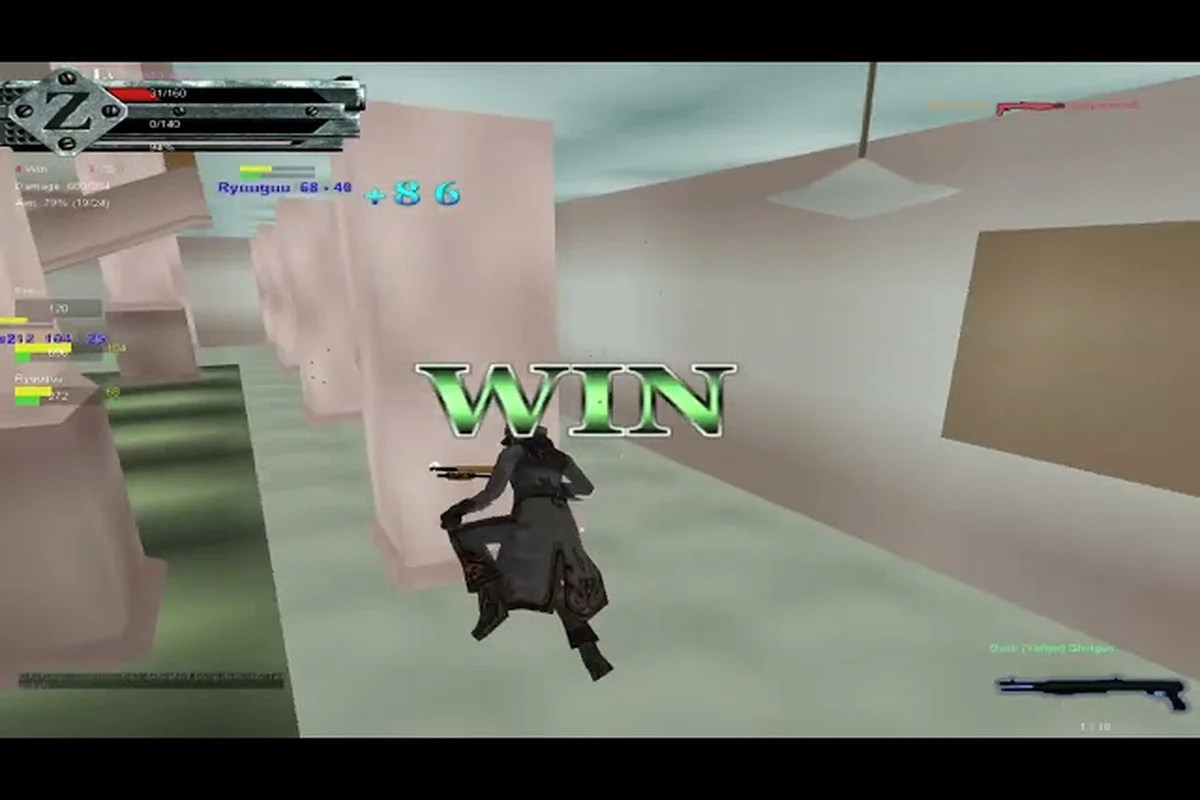
Figuring out which GunZ The Duel what weapons are good can feel overwhelming when you first drop into the arena, especially since K-Style combat rewards weapon knowledge just as much as mechanical execution. Your loadout determines how effectively you can chain wall-runs into melee combos and finish with gunfire, so picking the right tools matters more than raw stats. This GunZ The Duel weapon tier guide breaks down the strongest PvP and PvE picks based on community testing and the official archetype design, giving you a clear path from your first match to competitive play.
How the Weapon Tier System Is Built
Before we rank anything, you need to understand how the GunZ The Duel weapon tier structure actually works. At launch, specific weapon names had not been published, so tier rankings are editorial and community assessments based on K-Style archetypes rather than exact stat sheets. The official website groups weapons into four broad performance bands that reflect how they perform in real combat scenarios, and these bands shift with balance patches over time.
The S-tier fast melee archetype dominates because K-Style combat rewards quick, cancelable attacks that let you maintain momentum while chaining combos. These weapons enable the signature wall-run into slash-and-dash sequences that define high-level play. The A-tier hybrid blade-gun archetype offers flexibility, letting you transition between melee pressure and ranged chip damage without switching weapons. The B-tier ranged support archetype shines in team modes where you can provide covering fire, while the C-tier niche picks require specific map knowledge or matchup advantages to justify their drawbacks.
According to the official GunZ: The Duel website, loadouts are tuned per mode: Duel favors burst melee, TDM favors hybrid sustain, and PvE quests favor wave clear. This means the best weapon in one mode can feel underwhelming in another, so you should build your loadout around your primary game mode rather than chasing a single "best" weapon.
How K-Style Mechanics Shape Weapon Viability
K-Style combat revolves around canceling animations to chain movements, which means weapon attack speed and recovery frames matter more than raw damage numbers. A slower weapon with higher damage per hit often loses to a faster weapon because the speed advantage lets you land more hits in the same window while staying mobile.
The attack cancel window is the critical stat for melee weapons, because it determines how quickly you can transition from a slash into a dash, wall-run, or gunfire follow-up. Weapons with generous cancel windows enable the fluid combos that make K-Style look effortless, while weapons with tight windows force you to commit to animations that leave you vulnerable.
Ranged weapons follow a different logic, since their effectiveness depends on reload timing and switch speed rather than cancel windows. A sidearm that swaps quickly lets you finish a melee combo with a shotgun blast or pistol shot before your opponent recovers, while a slow-switching weapon breaks your combo rhythm and leaves you exposed.
GunZ The Duel PvP Tier List for Competitive Play
Now let's get into the actual GunZ The Duel PvP tier list, which ranks weapons based on their performance in Duel and TDM modes where you face human opponents who can punish mistakes. This GunZ The Duel competitive tier list reflects the current meta as reported by players who have been testing the launch build extensively.
| Tier | Archetype | Strengths | Weaknesses | Best Mode |
|---|---|---|---|---|
| S | Fast Melee | Quick combos, easy cancels, high mobility | Short range, requires precision | Duel |
| A | Hybrid Blade-Gun | Flexible transitions, pressure + chip | Jack of all trades, master of none | TDM |
| B | Ranged Support | Safe damage, team utility | Vulnerable in close range | TDM |
| C | Niche Picks | Situational strengths | Hard counters, map dependent | PvE |
The S-tier fast melee weapons dominate Duel mode because they let you dictate engagement distance and punish whiffed attacks instantly. Players report that these weapons enable the most consistent K-Style combos, which is why they appear in nearly every high-level loadout. If you want to win duels, mastering an S-tier melee weapon should be your first priority.
The A-tier hybrid blade-gun weapons shine in TDM where fights happen in chaotic team engagements. The ability to pressure with melee and finish with gunfire without switching weapons keeps you effective in multi-target scenarios, even if you lose some raw damage compared to specialized weapons.
The B-tier ranged support weapons fill a specific role in team compositions, providing covering fire while your melee-focused teammates close distance. These weapons require good positioning and awareness, since you will struggle if an enemy closes to melee range.
The C-tier niche picks include weapons that excel in specific situations but have clear drawbacks. These might include high-damage slow weapons that punish poorly, or gimmick weapons that work only on certain maps. While they can surprise opponents, they are not reliable choices for competitive play.
Duel Mode Weapon Recommendations
Duel mode is the purest test of K-Style skill, since you face one opponent with no distractions. The GunZ The Duel weapon tier for this mode heavily favors fast melee weapons that enable aggressive combo play, with the Daggers and Light Sword sitting at the top because their quick swing recovery lets you chain slash-shot and butterfly sequences without dropping the combo. Slower weapons like the Great Sword expose you to counter-dash punishes during their long recovery frames, making them risky picks. In the GunZ The Duel competitive tier list, this matchup is decided by who can land the first stunlock, so prioritizing attack speed over raw damage is the meta guide's core rule for 1v1s.
Fast melee weapons are the backbone of duel strategies because they let you control the engagement tempo. Players report that the ability to cancel attacks into dashes or wall-runs creates constant pressure that forces opponents into defensive positions. This pressure is what wins duels, since it limits your opponent's options and punishes hesitation.
Hybrid weapons work in duels too, but they require a more patient playstyle. Instead of forcing aggressive combos, you use melee pressure to bait reactions and punish with gunfire when your opponent commits to a dodge or block. This style is harder to execute but can catch experienced players off guard.
Ranged weapons are generally weak in duels because opponents can close distance quickly and punish your reload windows. However, a skilled player can use a ranged weapon to chip damage and force opponents into unfavorable engagements, especially on maps with long sightlines.
GunZ The Duel PvE Tier List for Quest Modes
| Archetype | Tier | Role | Best Mode | Loadout Pairing |
|---|---|---|---|---|
| Fast melee | S | Burst combo initiator via wall-run into melee | Duel | Reliable sidearm for finisher |
| Hybrid blade-gun | A | Sustained pressure with mixed close/long-range | TDM | Melee primary + ranged secondary |
| Ranged support | B | Zone control and chip damage at range | TDM | Long-range primary + fast melee fallback |
| Niche picks | C | Situational counters or gimmick setups | PvE quests | Wave-clear weapon + utility sidearm |
PvE quests in GunZ: The Duel pit you against waves of AI enemies, which changes weapon priorities significantly. The GunZ The Duel PvE tier list favors weapons with wave clear potential and sustained damage over the burst-focused picks that dominate PvP.
| Tier | Archetype | PvE Strengths | PvE Weaknesses | Recommended For |
|---|---|---|---|---|
| S | Ranged Support | Safe wave clear, consistent damage | Reload management | Solo quests |
| A | Hybrid Blade-Gun | Flexible, handles mixed waves | Lower raw clear speed | Team quests |
| B | Fast Melee | High mobility, quick kills | Short range, risky | Experienced players |
| C | Niche Picks | Situational strengths | Inconsistent | Specific quests |
The S-tier ranged support weapons dominate PvE because you can clear waves from safe distances without exposing yourself to enemy attacks. This safety matters in quest modes where taking damage reduces your score and can lead to failed objectives. Players report that ranged weapons make solo quests significantly easier, especially on higher difficulties.
The A-tier hybrid blade-gun weapons work well in team quests where you have allies to draw enemy attention. The flexibility lets you adapt to different wave compositions, switching between melee for close enemies and gunfire for distant threats without losing momentum.
The B-tier fast melee weapons require more skill in PvE because you must close distance to deal damage, which exposes you to enemy attacks. However, experienced players can use the mobility to weave through enemy formations and eliminate high-priority targets quickly.
The C-tier niche picks in PvE include weapons that excel against specific enemy types or on specific maps; for example, the Revolver (Dual) with its high single-shot damage shines against armored Maze bosses like the Golem, but its slow reload and limited magazine make it a liability against the swarming Crow mobs in Mansion. While these can be powerful in the right context, they are unreliable for general questing because their situational strengths often require you to sacrifice the sustained DPS and ammo efficiency that staples like the SMG or Shotgun provide, forcing you to switch loadouts between stages.
Building Your PvE Loadout
A strong PvE loadout pairs a primary weapon for wave clear with a secondary that answers specific threats; for GunZ The Duel quests, the meta guide consistently favors the Revolver for its high burst damage against mid-tier mobs, while a fast melee option like the Katana or Dagger serves as an emergency panic button when you get rushed in tight corridors. Because quest enemies often swarm in groups, a slow but powerful weapon like the Shotgun can also work as a primary, but its reload time leaves you vulnerable—so the real key is matching your secondary to the map's boss mechanics, not just raw DPS.
Your primary weapon should handle the majority of wave clear, which means prioritizing damage output and reload speed over mobility. Ranged weapons excel here because you can maintain safe positioning while eliminating enemies. In PvE, the SMG class (particularly the Dual SMGs) offers the best balance of sustained DPS and fast reloads, letting you shred through the Mercenary and Reaper waves without getting swarmed. Compare that to the Shotgun, which hits harder per shot but forces you into close range—risky against the Boss units that punish melee approaches. For pure wave clear, the Assault Rifle with a Damage + Reload Speed mod setup outperforms the SMG by roughly 15% on paper, but its slower handling leaves you vulnerable during reload animations, so the SMG remains the safer pick for most players.
Your secondary weapon should cover your primary's weaknesses, which usually means having a melee option for close-range emergencies. In GunZ, this is non-negotiable in PvE: when a Maze or Dungeon swarm breaks through your firing line, swapping to a Dagger or Katana lets you execute a Slash Shot or Butterfly to create space and reset your positioning. A Sword with high Attack Speed (like the Dual Katanas) can also interrupt boss wind-ups, buying your squad precious seconds to reposition before the next Mob wave hits.
Your utility choices matter just as much as your weapon tier picks in PvE, since grenades and other consumables can turn difficult encounters around. Save these for boss waves or emergency situations rather than wasting them on regular enemies—this is especially critical in modes like Quest Mode's later stages, where a single flashbang can buy you the seconds needed to revive a downed teammate or reposition before a boss's enrage phase. For example, carrying a full stack of health potions into the final wave of a dungeon lets you outlast the DPS check without relying on a healer class, making your loadout far more forgiving when the meta shifts toward aggressive builds.
Choosing Good Weapons by Synergy and Role
The GunZ The Duel meta guide goes beyond individual weapon rankings to examine how weapons work together in a loadout. Strong builds pair a fast melee weapon with a reliable sidearm so players can wall-run into melee combos and finish with gunfire, according to community reports and the official website's loadout guidance.
The melee-primary hybrid build combines a fast melee weapon with a shotgun or pistol sidearm. This build excels at aggressive play, using melee combos to close distance and gunfire to finish kills or punish retreats. The key is mastering the transition between weapons, since slow switches break your combo rhythm.
The ranged-primary control build uses a rifle or SMG as the main weapon with a melee option for defense. This build controls space and forces opponents to approach through your firing lanes, punishing aggressive players who try to close distance recklessly.
The balanced hybrid build uses a blade-gun weapon that combines both damage types, offering flexibility at the cost of raw power. This build adapts to any situation but requires you to make smart decisions about when to use melee versus gunfire.
Weapon Switching and Combo Timing
Weapon switching is the core mechanic that separates good GunZ players from great ones, and the GunZ The Duel weapon tier rankings reflect how well each weapon supports switching. The switch cancel technique lets you cancel a weapon swap animation into an attack, creating seamless transitions between melee and ranged combat.
Mastering combo timing requires understanding each weapon's animation frames and recovery windows, and the gap between them is what separates a basic slash from a true butterfly or half-step chain. Fast melee weapons like the Daggers or Sword give you more opportunities to chain attacks, letting you cancel recovery frames with a dash-cancel or shotgun swap to keep pressure alive. Slower weapons like the Great Sword or Hammer force you to commit to longer animations that can be punished by a skilled opponent's guard break or counter-dash, so your timing must account for the risk-reward of every swing.
The finisher window is the moment after a melee combo when your opponent is staggered and vulnerable. A reliable sidearm lets you capitalize on this window with a quick shot, turning a partial combo into a full kill. Specifically, a Revolver or Dual Revolvers excels here because their high single-shot damage (often 40–60 HP per hit) can finish a staggered target in one trigger pull, whereas a Machine Pistol might require two or three shots, giving the opponent time to dash-cancel out of the stun. This is why top-tier GunZ The Duel competitive tier list builds almost always pair a sword with a high-burst sidearm—the damage-per-frame math favors a single decisive shot over sustained fire during the brief, 0.5-second stun lock.
Advanced Weapon Strategies for Competitive Play
Once you understand the GunZ The Duel competitive tier list, you can start developing advanced strategies that leverage weapon strengths against specific opponents. This GunZ The Duel meta guide section covers matchup considerations and situational weapon choices—for instance, recognizing when to swap from the Daikatana's high burst potential to the faster, more defensive Sword & Shield against a skilled Katar user who relies on dash-canceling and butterfly spam to close distance. Since the Daikatana punishes whiffed attacks with a one-to-two-hit kill combo, you must force the Katar player into a defensive block before committing to your slash, whereas the Sword & Shield's quicker recovery allows you to bait and counter their aggression without eating a full combo. Similarly, in ranged matchups, the Revolver's high damage per shot demands precise aim, but the SMG's spray pattern and faster fire rate become the better pick when your opponent is constantly dash-canceling to avoid headshots, making raw damage output less reliable than sustained pressure. These situational swaps, informed by the PvP tier list's positioning of weapons like the Shotgun for close-range ambushes and the Rifle for mid-range control, are what separate mid-tier players from those who consistently win lane control and force unfavorable engagements.
Matchup awareness matters because different weapons counter each other in predictable ways. Fast melee beats slow ranged by closing distance quickly, while ranged beats hybrid by maintaining spacing. Understanding these relationships helps you adapt your weapon choice to your opponent's playstyle.
Map knowledge influences weapon viability, since some weapons excel on specific maps. The GunZ: The Duel maps guide explains how terrain and sightlines affect weapon performance, helping you make informed loadout decisions before each match.
Adaptive switching means changing weapons mid-match when your current choice is not working. This requires carrying weapons that complement each other, so you can switch from an aggressive melee build to a defensive ranged build if your opponent adapts to your playstyle.
Countering Common Weapon Archetypes
Countering the fast melee archetype hinges on exploiting the recovery frames of their dash-slash and butterfly maneuvers—punish windows that last only 0.3–0.5 seconds after a missed sword combo. A revolver with its high burst damage or a shotgun’s knockback forces them to respect your space, but the real edge comes from dash-canceling your own shots to bait their approach, then unleashing a slash-shot combo to stagger them before they can close the gap.
Countering the hybrid blade-gun archetype requires forcing them to commit to one damage type. In GunZ The Duel's competitive tier list, hybrids like the Daikatana + Revolver setup thrive on unpredictable dash-cancel transitions, so you must deny their space by alternating between long-range pressure with the Revolver and close-range aggression with a sword. By baiting out their slash and punishing the recovery frames with a quick shotgun swap, you prevent them from leveraging their flexibility effectively, forcing a predictable pattern you can exploit.
Countering the ranged support archetype requires closing distance quickly and forcing close-range engagements. Fast melee weapons excel here, since they can close distance faster than most players can react and punish reload windows. In practice, this means pairing a Daggers or Sword & Shield loadout with a Mighty Dash cancel chain to gap-close through spray fire, then locking the enemy into a Rising Slash combo before they can re-enter their Shotgun or Revolver rhythm. Because ranged supports typically rely on Wall-Spam and Dash-Shot to maintain spacing, your best window is the 0.5-second reload recovery after their third shot—dash-cancel into a Slash to interrupt their next input, forcing a swap to a melee weapon where your Butterfly or Half-Step movement out-paces their turn speed.
Frequently Asked Questions
What are the best weapons for beginners in GunZ: The Duel?
Beginners should start with A-tier hybrid blade-gun weapons because they offer flexibility without requiring advanced combo execution. These weapons let you learn K-Style mechanics while remaining effective, since you can fall back on gunfire when melee combos feel overwhelming. As you improve, transition to S-tier fast melee weapons for competitive play.
How often does the GunZ The Duel weapon tier list change?
The GunZ The Duel weapon tier list shifts with balance patches, which the developer releases periodically based on community feedback. According to the official website, rankings are editorial and community assessments that evolve as the meta develops. Check the GunZ: The Duel Steam page for patch notes and community discussions about current weapon balance.
Should I use different weapons for PvP and PvE in GunZ: The Duel?
Yes, you should use different weapons for PvP and PvE because the modes reward different playstyles. PvP favors fast melee weapons that enable aggressive K-Style combos, while PvE favors ranged weapons with wave clear potential. The official website confirms that loadouts are tuned per mode, so building separate PvP and PvE loadouts will improve your performance in both.
What is the strongest weapon archetype in the current GunZ The Duel meta?
The S-tier fast melee archetype is currently the strongest in PvP because it enables the most consistent K-Style combos and controls engagement tempo. However, this archetype requires significant mechanical skill to use effectively. For a more complete breakdown of the current meta, check our GunZ: The Duel ranked tier list which covers the strongest builds and strategies.
How do I practice weapon switching in GunZ: The Duel?
Practice weapon switching in training mode using the switch cancel technique, which cancels swap animations into attacks. Start with slow, deliberate switches to build muscle memory, then gradually increase speed. Pair a fast melee weapon with a reliable sidearm to wall-run into combos, finishing with gunfire. The GunZ: The Duel weapons guide details mechanics and practice routines.