
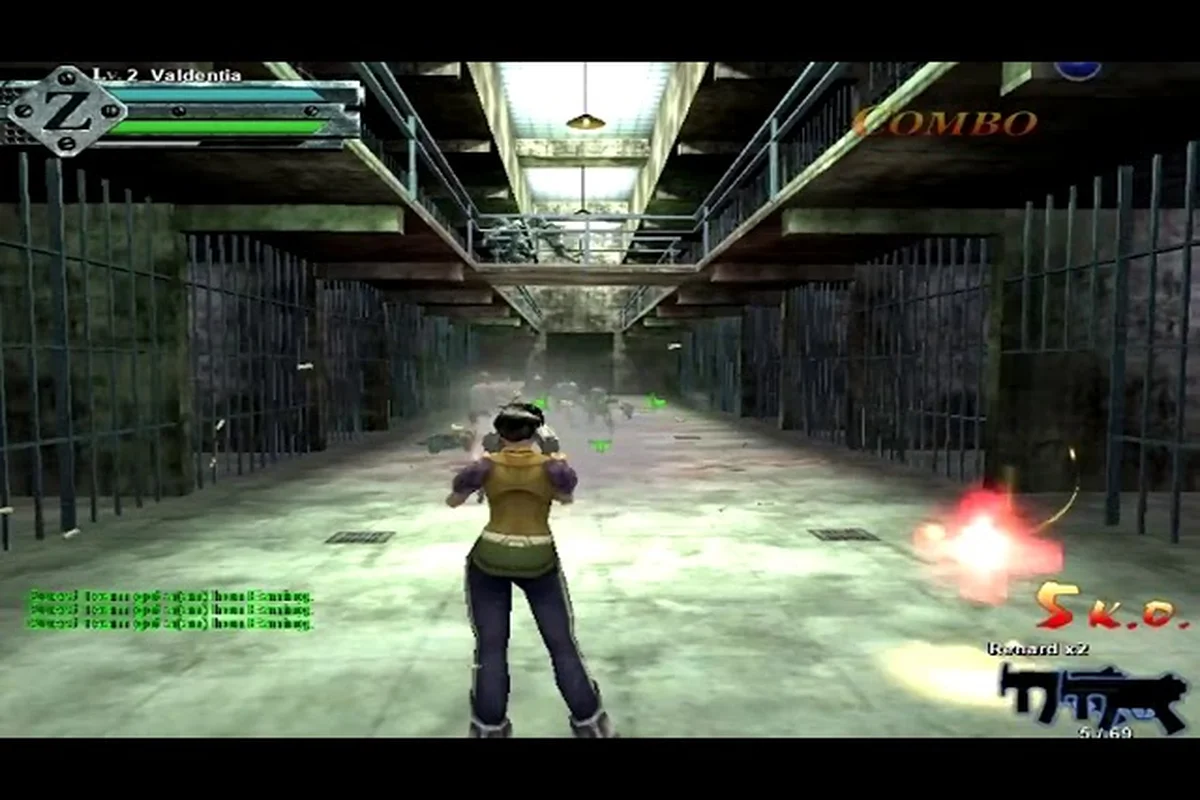
Every GunZ: The Duel maps rotation shapes how you approach combat, because each arena rewards different movement patterns and weapon choices. Whether you are grinding ranked duels or farming co-op quests, knowing the layouts ahead of time gives you a measurable edge over opponents who are still learning sightlines. This GunZ The Duel map guide breaks down the full battlefield roster, highlights the best map for each playstyle, and explains how vertical structures enable the wall-run and air-combat mechanics that define the game. Get the complete GunZ The Duel maps list here so you can pick the right arena before the match even starts.
GunZ The Duel Maps List: Core Arena Categories
Training Map Progression for K-Style Combo Timings
Before entering competitive GunZ The Duel maps, new players should use the dedicated training and practice maps, which the official media highlights as safe spaces for learning wall-run, dash, and combo timings. These maps lack the pressure of live opponents, letting you isolate the exact frame windows for dash-canceling and butterfly sword techniques. A practical progression: first practice a basic wall-run into a slash, then add a dash cancel, and finally chain two wall-runs into an aerial shot. Once you can execute this sequence consistently on the flat training surfaces, transition to Gladiator or Battle Arena maps, where ramps and platforms alter your approach angles and require mid-air adjustments.
The official GunZ: The Duel website splits the GunZ The Duel maps list into two broad families: PvP arena maps and PvE quest maps. PvP arenas host Duel, Team Deathmatch, Gladiator, and Battle Arena modes, while PvE stages support co-op missions and boss fights. Understanding this split matters because your loadout and movement priorities change drastically depending on which family you enter.
Most arena maps share a common design philosophy: they feature walls, ramps, and elevated platforms that enable K-Style wall-runs and air combat. This is not accidental — the developers built these structures specifically so that skilled players can chain dashes, flips, and slashes without ever touching the ground. If you come from traditional shooters, the verticality will feel alien at first, but it is the core of competitive play.
| Map Family | Primary Modes | Key Design Traits | Best For |
|---|---|---|---|
| PvP Arena | Duel, TDM, Gladiator, Battle Arena | Walls, ramps, elevated platforms | K-Style practice, ranked play |
| PvE Quest | Co-op missions, boss fights | Larger corridors, spawn zones | Farming, team coordination |
| Training | Practice, free movement | Open space, minimal obstacles | Learning wall-run and dash timings |
The training and practice maps deserve special attention because they give new players a safe environment to learn wall-run, dash, and combo timings before stepping into competitive arenas. According to the official GunZ: The Duel website, these practice spaces are designed specifically for skill acquisition, which means you can grind movement tech without worrying about enemy fire. Veteran players recommend spending at least an hour in training before your first ranked match, because the muscle memory you build there transfers directly to every other map in the rotation.
Best GunZ The Duel Arena Maps for PvP Combat
When players ask about the GunZ The Duel best map for competitive play, the answer depends on which PvP mode you queue into. Duel arenas tend to be smaller and more symmetrical, which keeps the focus on pure mechanical skill rather than map knowledge. Team Deathmatch maps, by contrast, offer more flanking routes and sightline variety, rewarding players who understand positioning alongside their movement tech.
The Battle Arena and Gladiator maps sit at the top of most tier lists because they balance verticality with readable sightlines. You can wall-run up a ramp to gain height advantage, but the landing zones are open enough that opponents can punish predictable drops. This creates a constant risk-reward loop that separates good players from great ones. If you want to climb the ranked ladder, mastering these maps gives you the biggest return on practice time.
| Arena Map | Mode Compatibility | Verticality Rating | Player Count | Skill Ceiling |
|---|---|---|---|---|
| Duel Arena | 1v1 Duel | Medium | 2 | High |
| TDM Battlefield | Team Deathmatch | High | 8-16 | Very High |
| Gladiator Pit | Gladiator | Low-Medium | 4-8 | Medium |
| Battle Arena | All PvP modes | High | 8-16 | Very High |
Because the official Steam store page describes the game as free-to-play with wall-running and acrobatic air combat, you should expect every PvP map to demand at least basic movement proficiency. The TDM Battlefield is often cited by community players as the GunZ The Duel best map for learning team fights, since its larger size gives you breathing room to practice wall-runs mid-combat while still keeping engagements frequent enough to stay sharp.
GunZ The Duel PvE Maps: Co-op Quests and Boss Arenas
K-Style Wall-Run Geometry on Duel and TDM Arena Maps
The official map split for GunZ The Duel maps places Duel and TDM arenas in the PvP category, with layouts engineered specifically for K-Style mobility. These arenas feature walls, ramps, and elevated platforms that function as wall-run surfaces, enabling the dash-cancel and butterfly mechanics that define competitive play. For example, a standard Duel map's central ramp allows a player to initiate a wall-run, cancel into an aerial slash, and land a follow-up shot before touching the ground. TDM maps typically add more vertical structures to support extended air combat chains, rewarding players who master the timing of wall-run into dash resets.
The GunZ The Duel PvE maps serve a completely different purpose from their PvP counterparts, because they prioritize progression and teamwork over mechanical duels. These stages feature longer corridors, scripted enemy spawns, and dedicated boss arenas where positioning matters more than flashy movement. If you are farming gear or leveling new characters, understanding the layout of each PvE stage helps you optimize your clear times and avoid unnecessary damage.
Community reports indicate that the PvE quest maps are designed with escalating difficulty, meaning early stages teach you basic enemy patterns while later ones demand coordinated team movement. The boss arenas, in particular, are built with telegraphed attack zones and cover points that let you recover between phases. Players who rush through these stages without learning the terrain often struggle on higher difficulties, because the extra space is not just decoration — it is tactical breathing room.
| PvE Stage Type | Enemy Density | Arena Size | Boss Presence | Team Size |
|---|---|---|---|---|
| Early Quests | Low | Small | No | 1-4 |
| Mid-Game Missions | Medium | Medium | Occasional | 2-4 |
| Endgame Stages | High | Large | Yes | 4 |
| Boss Rush | Variable | Large | Multiple | 4 |
The key difference between PvP and PvE maps comes down to movement freedom versus positional discipline. In a duel arena, you want to keep moving constantly to avoid predictable patterns. In a boss arena, however, you need to hold specific positions during attack phases and reposition only during safe windows. This is why players who excel at PvP often struggle in high-level PvE content — the skills do not translate perfectly. If you are planning to tackle endgame co-op stages, check out the co-op tips guide for loadout recommendations that match each stage layout.
GunZ The Duel Map Guide: How to Pick the Best Map for Your Playstyle
Choosing the right map is not just about personal preference — it is about matching the battlefield to your combat strengths. If you rely on close-range melee combos, you want maps with tight corridors and plenty of wall surfaces to chain dashes off. If you prefer long-range gunplay, you need open sightlines and elevated platforms that let you control engagement distance. The GunZ The Duel map guide below breaks down which layouts favor which styles.
Movement-Heavy Playstyles
Players who love K-Style should gravitate toward maps with high verticality and abundant wall surfaces. These arenas let you maintain air control for longer, which means you can pressure opponents from unexpected angles. The tradeoff is that these maps also punish sloppy movement harder, because a mistimed dash can send you into an open area where you become an easy target.
Positional and Tactical Playstyles
If you prefer reading opponents and controlling space, pick maps with defined lanes and predictable sightlines. These layouts reward patience and map awareness over raw mechanical speed. You can hold angles, force opponents through choke points, and punish over-aggressive pushes with well-timed counterattacks.
| Playstyle | Recommended Map Traits | Example Usage | Risk Level |
|---|---|---|---|
| K-Style Aggressor | High verticality, wall surfaces | Constant air pressure | High |
| Mid-Range Hybrid | Balanced sightlines, some cover | Adaptive play | Medium |
| Long-Range Sniper | Open lanes, elevated platforms | Distance control | Medium |
| Close-Range Brawler | Tight corridors, limited open space | Rush-down tactics | High |
According to player experience shared across community forums, the best map for duels often comes down to personal comfort rather than objective superiority. Some players perform better on smaller arenas because they can force engagements quickly, while others prefer larger maps that give them time to set up complex attack patterns. If you are unsure which style suits you, the best map for duels guide offers a deeper breakdown of how each layout interacts with specific weapon choices.
GunZ The Duel Map Count and Rotation Strategy
The total GunZ The Duel map count fluctuates with seasonal updates, but the core rotation remains stable across all competitive modes. Based on the official media page and community data, the current rotation includes a balanced mix of duel-specific arenas, team-based battlefields, and PvE progression stages. This variety ensures that no single playstyle dominates the meta, because each map type rewards different approaches.
When planning your practice routine, you should not just queue into random maps — you need a deliberate strategy. Start by picking one arena from each category and learning it thoroughly, then expand your pool once you can navigate your primary maps without thinking. This approach builds transferable map awareness that carries over to unfamiliar layouts, because you learn general patterns like common wall-run routes and typical sightline positions.
| Practice Phase | Map Focus | Goal | Time Investment |
|---|---|---|---|
| Phase 1 | Training map | Learn movement tech | 1-2 hours |
| Phase 2 | One duel arena | Master basic combat | 3-5 hours |
| Phase 3 | One TDM map | Learn team positioning | 5-8 hours |
| Phase 4 | One PvE stage | Practice co-op coordination | 2-3 hours |
The map selection screen in competitive modes often includes a ban phase, which means you need to know which maps to remove based on your opponent's likely strengths. If you are facing a known K-Style specialist, banning the most vertical arena takes away their biggest advantage. This strategic layer adds depth beyond raw mechanics, because map knowledge becomes a weapon in itself. For a deeper look at ban and pick tactics, the map pick and ban guide explains how to leverage map selection in ranked play.
Frequently Asked Questions
How many maps are in GunZ: The Duel?
The exact GunZ The Duel map count varies by update, but the core rotation includes roughly a dozen PvP arenas and several PvE quest stages. Official sources confirm the split between duel, team deathmatch, gladiator, and battle arena maps, with additional training maps available for practice. Seasonal updates occasionally add new layouts to the pool.
What is the GunZ The Duel best map for beginners?
The training map is the best starting point because it offers open space and no enemy pressure, letting you learn wall-run and dash mechanics safely. Once you feel comfortable with movement, the Duel Arena is the recommended first competitive map due to its small size and symmetrical layout, which keeps focus on mechanical fundamentals.
Are GunZ The Duel PvP maps different from PvE maps?
Yes, the two families serve completely different purposes. PvP maps emphasize verticality, wall surfaces, and sightlines to support K-Style combat, while PvE maps prioritize longer corridors, scripted spawns, and boss arenas for co-op progression. Your movement priorities and loadout choices should shift depending on which map family you are entering.
How do I practice wall-running on specific maps?
Use the training map first to build muscle memory, then move to your target arena in a custom match. Focus on chaining dashes into wall-runs along the map's main ramps and platforms, since these are the routes you will use most in real combat. Community players recommend recording your practice sessions to identify movement inefficiencies.
Does map choice affect my ranking in competitive modes?
Yes. Arena maps like Duel, TDM, Gladiator, and Battle Arena each favor different K-Style weapons and wall-run routes. Mastering a small pool of vertical maps—like those with elevated platforms for air combat—beats shallow knowledge of many. Ban maps that neutralize your preferred close-range or long-range loadout.