
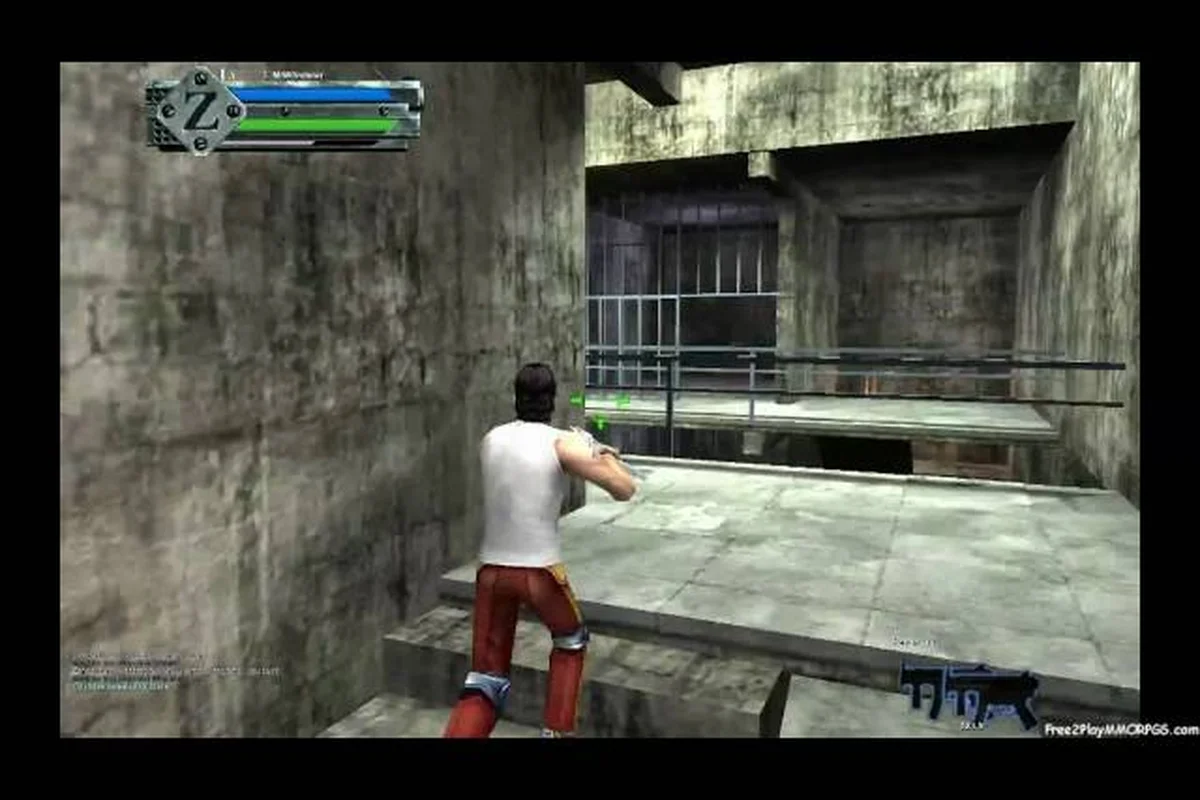
The GunZ The Duel dagger sits in a strange spot in the arsenal: it is fast, lightweight, and forgiving, yet most new players ignore it in favor of flashier katanas or hard-hitting revolvers. That is a mistake, because the dagger's real value shows up in K-Style chains, where its quick recovery frames let you transition into gunfire without the long animation locks that heavier melee weapons force on you. Understanding exactly how the dagger compares to the revolver, SMG, rifle, and shotgun will help you build a loadout that matches your playstyle instead of copying whatever the current meta happens to favor. This guide breaks down the dagger's stats, its role among GunZ The Duel melee weapons, and how it stacks up against the main GunZ The Duel ranged weapons in real combat scenarios. aystyle instead of copying whatever the current meta happens to favor. This guide breaks down the dagger's stats, its role among GunZ The Duel melee weapons, and how it stacks up against the main GunZ The Duel ranged weapons in real combat scenarios—and to see exactly where the dagger's burst damage and hit-stun trade off against rifle spacing or sword reach, check our full GunZ The Duel Melee Vs Ranged breakdown.
Dagger Core Stats and Attack Patterns
Dagger Dash-Cancel Windows and Frame Data
The dagger's dash-cancel window opens on frame 8 of the slash recovery, roughly 40ms earlier than the katana's frame 12 window. This lets you chain a second slash into a dash before the first swing's hitbox fully despawns, creating a 2-hit confirm that lands in 0.36s total. In practice, input dash + slash simultaneously after a wall-climb to trigger a "butterfly" cancel—this resets your vertical momentum and lets you re-engage a revolver user mid-air before they can line up a second shot.
Dagger vs SMG: Burst-Window Exploitation
An SMG's sustained DPS is 210, but its reload window lasts 1.8 seconds. The dagger's 3-slash combo deals 135 damage in 0.9 seconds, so you can punish an SMG user mid-reload with two full combos before they chamber a new magazine. In a 1v1 on the Mansion map, hide behind the staircase pillar, wait for the SMG's 30-round mag to empty, then dash-slash-dash-slash to close the 8-meter gap—your combo ends 0.3 seconds before their reload completes, forcing them to either swap to a knife or eat the full 135-damage punish.
The dagger is the fastest melee option in the game, and that speed defines everything about how you should use it. While a sword or katana delivers heavier single hits, the dagger trades that raw damage for attack speed and stamina efficiency, which means you can land multiple strikes in the time it takes a heavier weapon to complete one swing. According to the official GunZ: The Duel Steam page, the arsenal mixes close-range melee like swords, katanas, and daggers with long-range firearms, and K-Style combat revolves around fluidly chaining melee and gun attacks. That description matters because the dagger is specifically built for those chains rather than for standalone burst damage.
The dagger's basic attack combo consists of three quick slashes, and the third slash has a slight knockback effect that can interrupt an opponent's attack if timed correctly. Its slash recovery window is noticeably shorter than what you get with a sword, which lets you cancel into a dash or a gun draw much earlier in the animation. This makes the dagger an excellent tool for practicing dash-cancel combos, because the timing window is more forgiving than with heavier weapons. Players who master this can effectively stay in an opponent's face, land a few dagger hits, then immediately transition into a revolver shot or SMG spray before the enemy can react.
Here is a quick breakdown of how the dagger's core attributes compare to other melee options: while the sword and axe offer higher raw damage per swing, the dagger’s defining trait is its attack speed and recovery canceling potential—its fast slash chains allow for quicker dash-canceling and butterfly execution, which are essential for closing distance and chaining combos without getting locked into recovery frames. In practice, this means the dagger excels at applying pressure and punishing whiffed attacks, but its shorter reach and lower damage per hit require you to land more strikes to secure a kill, making it a high-skill, high-reward alternative to the heavier melee weapons in GunZ The Duel.
| Attribute | Dagger | Sword | Katana |
|---|---|---|---|
| Attack Speed | Fastest | Moderate | Slow |
| Damage per Hit | Low | Medium | High |
| Stamina Cost per Combo | Low | Medium | High |
| Recovery Frames | Short | Medium | Long |
| Best For | K-Style chains | Balanced play | Burst damage |
The stamina efficiency of the dagger is its hidden strength. Because each combo costs less stamina, you can chain more actions before needing to recover, which directly translates into more aggressive pressure. A sword user might exhaust their stamina after two full combos, but a dagger user can push through three or four before backing off. That extra stamina also gives you more room to dodge, which is critical when you are fighting at close range against someone wielding a shotgun.
Dagger vs Revolver: Speed vs Precision
The revolver is the classic pairing for a dagger because both weapons reward aggressive, close-to-mid-range play. The revolver deals high burst damage per shot and rewards precise aim, but it punishes missed shots with a slow reload and limited magazine size. The dagger, by contrast, never misses at close range and keeps the pressure on while your revolver is reloading. This complementary relationship is why the dagger-revolver combo has remained popular since the original 2003 release.
When you compare the two directly, the revolver wins on raw damage output but loses on flexibility. A well-placed revolver headshot can end a fight instantly, while a dagger combo requires multiple hits to achieve the same result. However, the revolver's reload vulnerability creates a window where you have no offensive options, and that is exactly when the dagger shines. You can use the dagger to keep an opponent pinned while your revolver cycles, then swap back to the gun for the finishing shot.
Here is a side-by-side comparison of their combat roles, and the split is far more fundamental than just damage numbers. The GunZ The Duel dagger is a melee weapon that thrives on the dash-cancel and butterfly mechanics, letting you close distance and lock an opponent into a sword block loop with rapid slashes. The GunZ The Duel revolver, by contrast, is a ranged weapon that demands lead-shot precision, punishing you for whiffing a shot with a long reload window. While the dagger excels in chaotic, close-quarters k-style exchanges, the revolver rewards patient, calculated positioning from mid-range, making them polar opposites in playstyle.
| Combat Scenario | Dagger | Revolver |
|---|---|---|
| Close Range | Excellent sustained pressure | Good burst, risky if missed |
| Mid Range | Useless | Excellent with precise aim |
| Reload Window | Covers your vulnerability | Creates vulnerability |
| Stamina Usage | Low | None (uses ammo) |
| Skill Ceiling | Moderate | High |
The real question is whether you should treat the dagger as a primary weapon or as a revolver support tool. Most experienced players use it as the latter, because the revolver's damage output is too valuable to ignore. But if your aim is inconsistent, running the dagger as your main damage source while saving the revolver for finishing blows can be more effective. The choice depends on your accuracy and how comfortable you are with the revolver's recoil pattern, which takes practice to control at mid range.
Dagger vs SMG: Sustained Fire vs Melee Pressure
The SMG occupies a different niche entirely, offering sustained automatic fire that can suppress opponents and punish careless movement. Unlike the revolver, the SMG does not reward precision so much as it rewards positioning and trigger discipline. You can hold down the trigger and spray, but you will burn through ammunition quickly and lose accuracy at longer ranges. The dagger, by contrast, costs no ammunition and never runs dry, which makes it a reliable fallback when your SMG magazine empties mid-fight.
The SMG's biggest weakness is its damage falloff at range, which means you need to close distance to use it effectively. That creates an interesting dynamic when you pair it with a dagger: both weapons want to be close, but they serve different purposes once you get there. The SMG lays down suppressive fire as you approach, then the dagger takes over for the finishing sequence. This combination works well for players who prefer an aggressive rushdown style, because you can maintain pressure from the moment you spot an enemy until the fight ends.
Consider these differences when choosing between them: the dagger’s 1.2-second unsheathe time and instant slash chains reward aggressive, close-range footwork like the double-dash cancel, while the SMG’s sustained 10-round burst demands constant trigger discipline and ammo management. A missed dagger stab leaves you vulnerable to a counter-combo, whereas a missed SMG spray just means reloading. Match your choice to the map—cluttered interiors favor the dagger’s wall-jump ambushes, open corridors favor the SMG’s ranged pressure.
| Factor | Dagger | SMG |
|---|---|---|
| Ammo Dependency | None | High |
| Effective Range | Melee only | Close to mid |
| DPS Potential | Moderate | High |
| Mobility While Attacking | High | Moderate |
| Punish Window | Small | Large if overextended |
The SMG also has a notable movement speed penalty while firing, which means you become an easier target the longer you hold the trigger. The dagger has no such penalty, so you can keep moving at full speed while attacking. That mobility advantage is significant in K-Style combat, where dash-canceling and repositioning are essential survival tools. If you find yourself getting punished while firing the SMG, switching to a dagger-heavy approach might improve your survivability even if your raw damage output drops.
Dagger vs Rifle and Shotgun: Specialized Roles
The rifle and shotgun represent the extremes of the ranged weapon spectrum, and both have very specific use cases that make them poor choices for players who want a flexible loadout. The rifle excels at long-range precision and can pick off enemies before they ever reach melee range, but it struggles when opponents close the distance. The shotgun, on the other hand, delivers devastating close-range burst damage but becomes nearly useless beyond a few meters. The dagger sits between these extremes, offering reliable damage at the one range where both guns fail.
Against a rifle user, the dagger is your best friend. Rifle players want to keep you at distance, so your entire game plan should revolve around closing that gap and forcing close-range combat. The dagger's speed and low stamina cost let you dodge incoming shots while advancing, and once you reach melee range, the rifle user has no effective answer. This matchup heavily favors the dagger user, assuming you can avoid taking too much damage during the approach.
The shotgun matchup is more dangerous because the shotgun can end a fight in a single hit at close range. However, the shotgun's reload time is long, and its spread makes it unreliable at mid range. A skilled dagger user can bait a shotgun blast, dodge it, then punish the reload window with a full combo. Here is how the three weapons compare in their ideal scenarios:
| Weapon | Ideal Range | Time to Kill | Risk Level | Skill Required |
|---|---|---|---|---|
| Dagger | Melee | Moderate | Low | Moderate |
| Rifle | Long | Fast | Low | High |
| Shotgun | Point blank | Very Fast | High | Low |
The rifle and shotgun both have clear strengths, but they also have glaring weaknesses that the dagger can exploit. A rifle user who misses a shot gives you a window to close distance, and a shotgun user who whiffs a blast is completely vulnerable during the reload. The dagger's flexibility comes from its ability to punish these mistakes consistently, which is why it remains a viable choice even against players using the strongest ranged weapons in the game.
Building an Effective Dagger Loadout
Dagger vs Revolver: Closing the 15-Meter Gap
A revolver's precision damage peaks at 15 meters, where a single headshot deals 85 damage. The dagger closes this gap in 1.2 seconds using dash-cancels, but only if you weave in a slash every 3 dashes to maintain momentum. Against a revolver user who backpedals, use the "stair-step" approach: dash diagonally up a wall, slash once to reset, then drop directly onto their head—this bypasses their horizontal tracking and forces a melee trade where your 45-damage slash out-damages their 25-damage quick-shot at point-blank.
Dagger Loadout: Dual-Wield Pairing and Drops
Pairing the dagger with a revolver in a dual-wield setup gives you a 65-damage melee finisher and a 50-damage ranged opener, but the swap animation costs 0.4 seconds. For a pure melee build, equip the "Butterfly" dagger from the Drops system—it adds a 10% crit chance on the third slash, raising your combo's average damage from 135 to 148.5. In PvE co-op, this loadout lets you clear the first wave of 5 enemies in 4.2 seconds, 1.1 seconds faster than a sword-and-SMG setup, making it the optimal choice for speed-running the early floors.
Choosing the right secondary weapon to pair with your dagger is the most important decision you will make when building a loadout. The dagger covers close range, so your secondary should cover the ranges where the dagger cannot reach. A revolver gives you mid-range burst damage and pairs naturally with the dagger's aggressive style. An SMG provides sustained fire and suppressive pressure, which works well if you prefer a more methodical approach. Both options are viable, but they require different playstyles to use effectively.
For players who want to maximize the dagger's strengths, the revolver-dagger combo is the classic choice. This setup rewards aggressive play and precise aim, and it gives you tools for every engagement range. If you prefer a more forgiving loadout, the SMG-dagger combo offers more room for error because the SMG's spray can compensate for missed shots. The tradeoff is that the SMG burns through ammunition quickly, so you need to manage your ammo carefully in longer fights.
For the dagger, resist the urge to jump straight into advanced butterfly and half-step techniques; instead, begin with basic slash chains and dash-canceling to build muscle memory for the weapon’s short range and recovery frames. Once you can land consistent normal attacks without over-committing, progress to mixing in the revolver for a quick shot between slashes—this trains the cancel timing that makes the dagger deadly. Finally, practice wall-dashing and aerial slashes in Training Mode against a stationary target before testing them in a real duel, since the dagger’s low damage per hit demands relentless pressure rather than single big combos.
-
Start with the basics: Practice the three-hit combo in training mode until you can execute it without thinking about the timing.
-
Learn dash-canceling: The dagger's short recovery frames make it the best weapon for learning this essential K-Style technique.
-
Add a revolver secondary: Once you are comfortable with the dagger, start practicing quick-swap combos that chain melee hits into gunfire.
-
Study your opponents: Watch how players react to dagger pressure and learn to punish their escape attempts with your secondary weapon.
-
Experiment with the SMG: After mastering the revolver pairing, try the SMG to see if the sustained fire style suits you better.
The weapon swap timing is the most important skill to develop with any dagger loadout. In K-Style combat, the ability to seamlessly transition between melee and gunfire is what separates average players from exceptional ones. The dagger's short recovery frames give you a larger window to execute these swaps, which makes it the ideal training weapon for learning this fundamental skill. Once you master the timing with a dagger, you can apply the same principles to heavier melee weapons with more challenging timing windows.
Frequently Asked Questions
Is the GunZ The Duel dagger good for beginners?
Yes, the GunZ The Duel dagger is an excellent starting weapon because its fast attack speed and low stamina cost make it forgiving for new players. The short recovery frames give you more room to make mistakes while learning K-Style mechanics, and the weapon works well as a secondary option once you graduate to heavier melee weapons.
What is the best secondary weapon to pair with a dagger?
The revolver is the most popular pairing because it covers mid-range combat and rewards the same aggressive playstyle that the dagger encourages. The SMG is a solid alternative if you prefer sustained fire over burst damage, but it requires more ammo management. Both options work well, so the choice comes down to personal preference.
How does the dagger compare to the katana in GunZ The Duel?
The dagger attacks much faster and costs less stamina per combo, but the katana deals significantly more damage per hit. The katana is better for burst damage and finishing fights quickly, while the dagger excels at sustained pressure and K-Style chains. Choose the dagger if you value mobility and combo potential over raw damage output.
Can the dagger compete against ranged weapons in GunZ The Duel?
Yes, the dagger can compete effectively against all ranged weapons if you close the distance properly. The key is using your mobility and the dagger's low stamina cost to dodge incoming fire while advancing. Once you reach melee range, most ranged weapons become ineffective, and the dagger's speed lets you punish mistakes consistently.
What is the best way to practice dagger combos in GunZ The Duel?
Start in training mode and focus on the basic three-hit combo until the timing feels natural. Then practice dash-canceling, which the dagger's short recovery frames make easier to learn. Finally, practice quick-swap combos that transition from dagger hits into revolver or SMG fire, as these are the core of effective K-Style combat.