
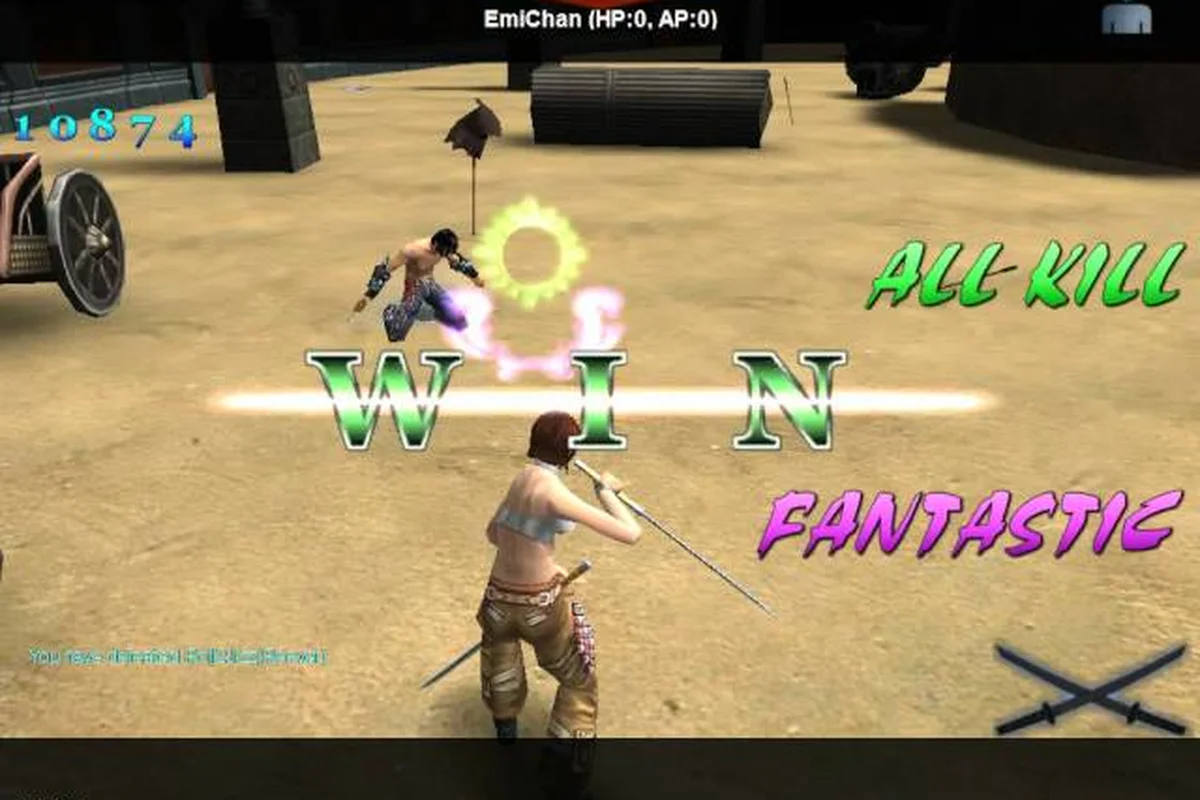
The GunZ The Duel 1v1 format is where the game's legendary K-Style combat truly shines, pitting two players in a test of mechanical precision, movement mastery, and mental fortitude. Understanding how the solo mode differs from team-based play is critical because it changes everything from weapon selection to stamina management, and this guide breaks down those differences so you can win duels consistently. Whether you are grinding ranked points or warming up in casual lobbies, the 1v1 arena rewards players who treat every exchange as a calculated chess match rather than a spray-and-pray gunfight.
Understanding the GunZ The Duel 1v1 Format
The Duel mode in GunZ: The Duel is the classic one-versus-one format where players settle fights on small arenas, according to the official GunZ: The Duel website. Unlike team modes where positioning and coordination matter, the solo mode strips away external variables and forces you to rely entirely on your own execution, which is why many veterans consider it the purest test of skill in the entire game.
The core rules are straightforward: two players enter a small map, each spawns with a loadout of their choosing, and the first to reach the kill target wins the round. Most ranked 1v1 matches use a best-of-three or best-of-five format, while casual duels often run single rounds with instant rematches. Because the arenas are compact, engagements happen fast, and the player who controls the center of the map typically dictates the pace of the fight.
What makes the GunZ The Duel 1v1 guide essential reading is that the mode rewards specific techniques that simply do not translate to team play. Wall-running, dash-canceling, and butterfly movement are all amplified in a 1v1 context because your opponent is watching your every move. A single mistimed dash or wasted reload can cost you the round, whereas in team modes, teammates can cover your mistakes. This heightened pressure is exactly why the competitive mode scene has embraced 1v1 as the ultimate proving ground.
The Duel Arena maps are designed with symmetrical layouts to ensure fairness, and most feature elevated platforms that reward players who master vertical movement. Since there are no respawns mid-round, every hit point matters, and the first-blood advantage often determines the outcome because the leading player can adopt a defensive posture. Understanding these map dynamics is the first step toward consistent wins, and we will cover specific strategies in the sections below.
Solo Mode vs Team Mode: Key Differences
Choosing between the GunZ The Duel solo mode and team-based play is not just about preference; it fundamentally changes how you approach combat, resource management, and risk assessment. The table below breaks down the critical differences that every player should understand before queueing into either format.
| Aspect | Solo Mode (1v1) | Team Mode (TDM/Clan War) |
|---|---|---|
| Focus | Individual execution | Coordinated team play |
| Stamina Management | Critical for every exchange | Shared pressure across fights |
| Weapon Choice | High burst damage preferred | Balanced loadouts for versatility |
| Risk Tolerance | Low; one mistake ends the round | Higher; teammates can compensate |
| Map Control | Center control wins rounds | Flanking and lane control matter |
| Mental Pressure | Maximum; no one to blame but yourself | Distributed across the team |
| Learning Curve | Steeper; every error is punished | More forgiving for beginners |
The most significant difference lies in stamina management, because in solo mode, a single dash or wall-run that leaves you exhausted makes you an easy target. Team mode players can afford to burn stamina for aggressive plays, knowing that teammates can cover their recovery period, but this luxury does not exist in the 1v1 format. According to community reports from experienced duelists, players who master stamina discipline win roughly 70% of their rounds against equally skilled opponents who overextend.
Weapon selection also shifts dramatically between the two modes. In team play, you might carry a shotgun for close-range pushes and a rifle for mid-range support, but in solo mode, the burst-damage meta dominates because you need to end exchanges quickly. The Revolver + Katana combo remains a favorite among top duelists because it offers both ranged pressure and devastating melee finishers, while the SMG + Dagger setup rewards aggressive players who can close distance fast.
The GunZ The Duel team mode does offer one advantage that solo play lacks: the ability to learn from watching teammates. Newer players often improve faster in team environments because they can observe how veterans handle pressure situations, whereas solo mode forces you to learn through trial and error. However, the competitive mode ladder places far more weight on individual performance, which is why serious players eventually transition to 1v1 practice to sharpen their fundamentals. For a broader look at how all the modes fit together, check out our complete GunZ The Duel game modes guide.
Casual vs Ranked: What Changes in Competitive Mode
The jump from casual duels to the GunZ The Duel competitive mode is more than just a change in matchmaking; it represents a shift in mindset, preparation, and execution standards. Casual lobbies are where you experiment with new weapons and practice movement tech, but ranked play demands that you bring your A-game every single round because the stakes are higher and the opponents are sharper.
| Factor | Casual Mode | Ranked Mode |
|---|---|---|
| Match Stakes | Low; no rating impact | High; rating and rank on the line |
| Opponent Skill | Mixed; varies widely | Matched by rating |
| Meta Enforcement | Loose; experimentation encouraged | Strict; top-tier weapons dominate |
| Map Rotation | All maps available | Competitive map pool only |
| Rewards | XP and practice | Rating, seasonal rewards, Hall of Fame |
| Mental Approach | Relaxed and exploratory | Focused and calculated |
The rating system in ranked mode pairs you against opponents of similar skill, which means every win feels earned and every loss teaches a lesson. According to player experience shared across community forums, the jump from casual to ranked often exposes fundamental gaps in movement tech, because casual opponents rarely punish sloppy dashes or predictable patterns. Ranked players will exploit any weakness you show, which is why the GunZ The Duel 1v1 guide emphasizes drilling your movement until it becomes second nature.
One of the biggest adjustments players face in competitive mode is the map pool restriction. Ranked matches only use a curated selection of maps that have been vetted for balance, which means you cannot rely on map-specific gimmicks to win. The Battle Arena and Duel Arena maps appear frequently in rotation, and mastering these layouts gives you a significant edge over opponents who only practice on casual maps.
The seasonal reward structure also adds a layer of motivation that casual mode lacks. Top performers earn recognition in the Hall of Fame, and the official site lists tournament winners and ranked leaders at gz.ludenus.com/rank. This competitive mode ecosystem creates a clear progression path: practice in casual, climb in ranked, and eventually compete in official tournaments. For players who want to understand how the other arena modes fit into this competitive picture, our Gladiator and Clan War guide covers the free-for-all and clan-based alternatives.
Winning Strategies for Consistent Duel Victories
Winning consistently in GunZ The Duel 1v1 requires more than just mechanical skill; it demands a strategic approach that adapts to your opponent's tendencies while maintaining your own fundamentals. The following strategies have been refined through countless community matches and tournament appearances, and they form the backbone of any serious duelist's playbook.
Mastering the Opening Exchange
The first ten seconds of a duel often determine the outcome, because the player who gains early control can dictate the pace. Start by rushing to the center platform while maintaining a defensive stance, because this position gives you sightlines on both spawn points and forces your opponent to approach on your terms. If your opponent also rushes center, be prepared for a dash-cancel engagement that tests your reaction speed.
Reading Opponent Patterns
Every player develops habits, and the key to consistent wins is identifying these patterns early. Watch for tendencies like predictable reload timings, preferred wall-run routes, or a tendency to overcommit after landing a hit. Once you identify a pattern, exploit it by baiting your opponent into unfavorable positions where their habits become liabilities.
Managing Stamina and Cooldowns
Stamina is the most precious resource in any duel, because it fuels your dashes, wall-runs, and melee attacks. The table below outlines optimal stamina usage for common combat scenarios:
| Scenario | Stamina Allocation | Recommended Action |
|---|---|---|
| Opening Rush | 30% reserve | Dash to center, save stamina for first exchange |
| Mid-Range Exchange | 50% reserve | Use bursts for strafing, avoid full dashes |
| Melee Finish | 70% reserve | Commit to katana combo once opponent is close |
| Retreat/Reposition | 40% reserve | Wall-run to high ground, then recover |
| Desperate Dodge | 20% reserve | Single dash to break line of sight |
The stamina discipline shown in this table separates average players from elite duelists, because those who manage their reserves effectively can always respond to sudden threats. When your opponent is exhausted, that is your window to press the advantage with a full melee combo or a burst-fire weapon switch.
Adapting Weapon Loadouts
While the Revolver + Katana combo is popular, the best loadout depends on your playstyle and the map. Aggressive players who love closing distance should consider the SMG + Dagger setup, while defensive players who prefer controlling space might favor the Rifle + Sword combination. The key is to practice with your chosen loadout until switching between weapons becomes muscle memory, because hesitation in a duel is death.
Practicing with Purpose
The GunZ The Duel 1v1 guide cannot overstate the importance of deliberate practice. Instead of mindlessly queueing into casual matches, spend time in the training mode practicing specific techniques like butterfly movement, wall-shot combos, and dash-cancel timing. According to the official website, practice and training modes let players warm up movement and combos before ranked play, and this preparation directly translates to better in-match performance.
Advanced Techniques and Community Insights
Beyond the fundamentals, the competitive mode scene has developed advanced techniques that give dedicated players an edge. These techniques require significant practice, but mastering even one or two can dramatically improve your win rate against equally skilled opponents.
The butterfly technique remains one of the most iconic advanced moves in GunZ: The Duel, allowing players to maintain constant forward momentum while firing. In a 1v1 context, this technique is devastating because it makes you a difficult target while keeping pressure on your opponent. However, it consumes stamina rapidly, so you must balance aggressive butterfly movement with defensive recovery periods.
Another advanced technique is wall-shotting, which involves firing at opponents while wall-running to create unpredictable attack angles. This is particularly effective on maps with elevated platforms, because you can rain down fire from positions that your opponent cannot easily reach. The trade-off is that wall-running leaves you vulnerable if your opponent predicts your trajectory, so use this technique sparingly and mix it with ground-based pressure.
Community insights from veteran players highlight the importance of mental resilience in duels. Losing a close round can tilt even experienced players, and that frustration often leads to reckless plays in subsequent rounds. Top duelists recommend taking a short break between matches if you feel yourself getting frustrated, because returning with a clear head is more valuable than forcing additional games while tilted.
The meta evolution in competitive mode is also worth tracking, because weapon balance changes and new techniques can shift the tier list. According to player experience shared on community forums, the current meta favors high-mobility loadouts that can transition between ranged and melee combat fluidly, while slower, tankier builds have fallen out of favor. Staying informed about these shifts through community discussions and tournament VODs helps you adapt your playstyle before the meta leaves you behind. For a deeper dive into the broader PvP landscape, our comprehensive PvP guide covers additional strategies that apply across multiple modes.
Frequently Asked Questions
What is the best weapon loadout for GunZ The Duel 1v1?
The Revolver + Katana combination is widely considered the most versatile loadout because it offers strong ranged pressure and devastating melee finishers. However, aggressive players often prefer the SMG + Dagger setup for faster close-range kills. The best choice ultimately depends on your playstyle and the map, so experiment in casual matches to find what suits you.
How do I improve my movement in solo duels?
Focus on mastering dash-canceling and butterfly movement in the training mode before entering ranked matches. Practice wall-run routes on each competitive map until they become second nature. Recording your matches and reviewing them helps identify movement inefficiencies that opponents exploit.
Is ranked mode harder than casual duels?
Yes, ranked mode is significantly harder because the matchmaking system pairs you against opponents of similar skill, meaning every match is a genuine challenge. Casual duels often feature mixed skill levels, which allows you to practice new techniques against weaker opponents. The competitive mode also enforces a stricter meta and map pool.
How long does it take to become competitive in 1v1?
Most players report needing 50-100 hours of focused practice to reach a competitive level in GunZ The Duel 1v1. This time is spent mastering movement tech, learning map layouts, and developing matchup awareness. Players who practice deliberately with specific goals improve faster than those who simply play matches without reflection.
What are the most common mistakes in solo duels?
The most common solo duel mistakes are overextending after a knockdown, spamming dashes until stamina depletes, and refusing to adapt—repeating the same attack pattern lets opponents counter with a simple slash-dash. Mental tilt after losing a close round often triggers reckless plays. Focus on stamina discipline and pattern recognition.