
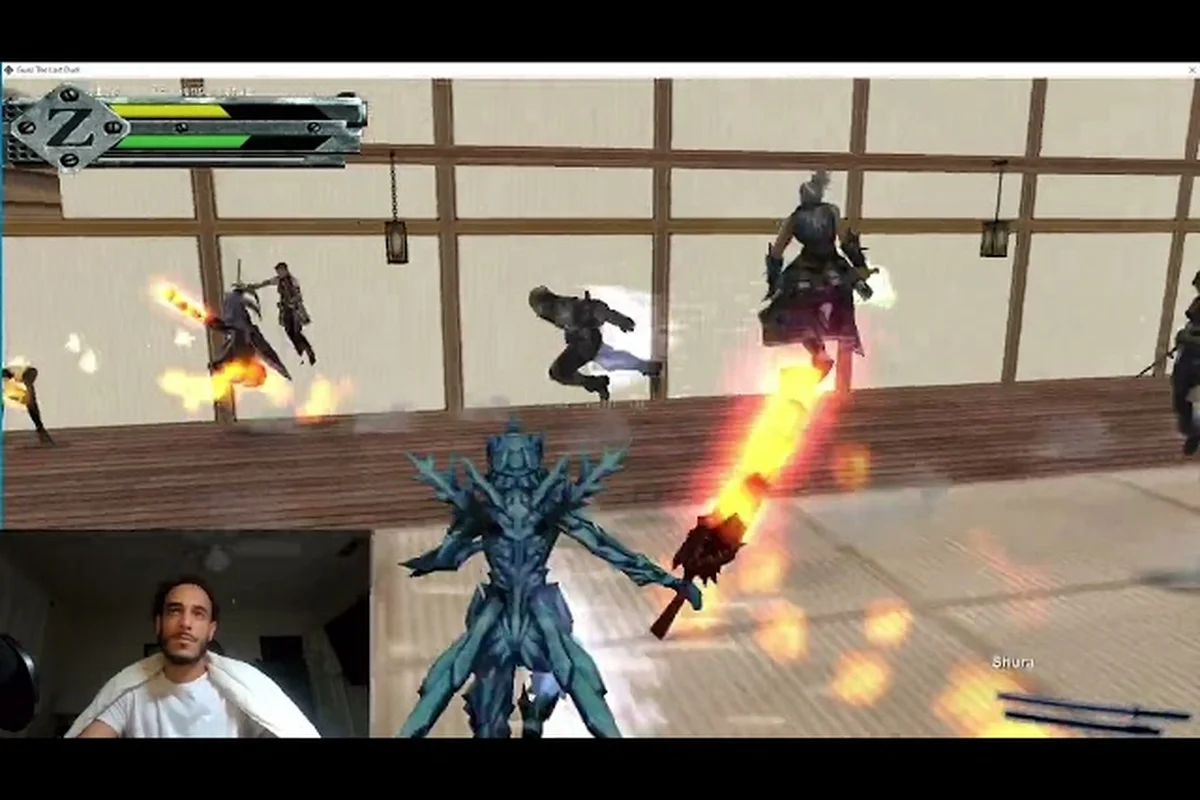
Gladiator is the purest test of solo skill in GunZ: The Duel, a free-for-all arena where every player fights for themselves and the last one standing claims the spoils. Understanding the GunZ The Duel how to play Gladiator fundamentals matters because this mode rewards aggressive positioning, sharp K-Style execution, and split-second target selection more than any other playlist. If you want to climb the ranked ladder or simply prove you can outplay multiple opponents at once, mastering this arena format is the fastest way to sharpen your reflexes and map awareness. If you want to climb the ranked ladder or simply prove you can outplay multiple opponents at once, mastering this arena format is the fastest way to sharpen your reflexes and map awareness, and the pressure-cooker pacing here shares a surprising amount of DNA with the chaotic, high-stakes duels you’ll find in our breakdown of Gunz The Duel Gladiator, where split-second positioning is just as critical.
Gladiator Mode Rules and Core Objectives
The official GunZ: The Duel website lists Gladiator alongside Battle Arena as the game's free-for-all arena rules, which means there are no teams, no allies, and no safety nets. Every player drops into the same map with the same goal: eliminate opponents and be the final survivor when the round timer expires. Unlike Team Deathmatch, where you can rely on teammates to cover your flanks, Gladiator forces you to track every threat on the battlefield simultaneously.
The scoring system in Gladiator is straightforward but punishing. Each kill awards you one point, while deaths reset your kill streak and give your opponents breathing room. The player with the most eliminations when time runs out takes the round, but if you die early, you sit out the rest of the round as a spectator. That elimination mechanic creates a risk-reward loop where aggressive players can snowball, but reckless pushes often end with you watching the final minutes from the sidelines.
Before you queue into your first Gladiator match, you must internalize the core rules that separate this mode from GunZ The Duel deathmatch and free for all: there are no respawns, no health pickups, and no team to revive you. Each kill is permanent for that round, so a single mis-timed dash or missed sword parry can end your run entirely. Unlike the respawn-heavy clan war format, Gladiator forces you to manage your limited HP pool and reload windows with surgical precision—every bullet spent and every slash committed must count, because the last player standing takes the entire pot.
-
No respawns during a round — once you die, you wait for the next round to rejoin the action
-
Free-for-all targeting — every player is a valid target, including players who briefly team up to eliminate a stronger opponent
-
Round timer — matches run on a fixed clock, so you must balance kill hunting with survival
-
Score tracking — eliminations are the only stat that matters for round placement
-
Map rotation — Gladiator uses smaller arenas that force close-quarters combat and frequent engagements
The elimination penalty is what separates Gladiator from other modes because it punishes overextension harder than anything else in the game. Community reports consistently highlight that players who survive until the final minute often overtake kill leaders who die late in the round, since the leader's score freezes while survivors keep adding eliminations.
Free-For-All Tactics for Gladiator Matches
Winning a Gladiator round requires a completely different mindset than the GunZ The Duel deathmatch formats you might already know. In team-based modes, you can trade kills and rely on your squad to hold positions, but in free-for-all, every engagement weakens you even when you win. The third-party threat is constant: two players fighting attract attention, and the smartest move is often to wait for the fight to conclude before striking the weakened winner.
Positioning in Gladiator revolves around controlling high-traffic zones while maintaining escape routes. The center of the map usually offers the best sightlines and access to multiple lanes, but it also exposes you to fire from every direction. Instead, experienced players hold perimeter angles that let them observe fights without committing, then swoop in for clean finishes when the chaos peaks.
The most effective free-for-all tactics break down into three phases, each built around GunZ's unique movement and combat systems: the opening scramble for the Sword and Dagger spawns, the mid-match rotation where you chain butterfly and half-step dashes to close gaps between kills, and the final-phase focus on guard break punishes when the kill leader becomes predictable. In a 6-8 player FFA lobby, the first 30 seconds decide momentum—whoever secures the central Katanas and starts chaining slash-shot combos typically racks up 2-3 quick kills, forcing others into reactive defense. Understanding this rhythm matters more than raw aim, because Gladiator's dash-cancel recovery frames leave you vulnerable if you overextend without a retreat path.
-
Early round — secure a weapon you are comfortable with, avoid extended fights, and let aggressive players thin the field
-
Mid round — hunt weakened opponents, control a chokepoint, and build your kill count while conserving health
-
Late round — play conservatively, force other survivors to fight each other, and secure the final eliminations
Your weapon selection matters more in Gladiator than in team modes because you cannot rely on teammates to cover your reloads or push enemies off your position. The Dual SMGs remain a community favorite for their high burst damage and forgiving recoil, while shotguns excel in the tight corridors that dominate Gladiator map rotations. If you prefer ranged combat, the revolver rewards precise headshots but punishes missed shots with a slow fire rate.
How to Start Clan War and Transition from Gladiator
Once you master the GunZ The Duel how to play Gladiator format, the natural next step is testing your skills in organized team combat through Clan War. The official site describes Clan War as clan-versus-clan battles, which means you need an established clan before you can queue into this mode. Unlike Gladiator's solo chaos, Clan War demands coordination, role assignment, and disciplined communication.
Starting a Clan War requires meeting several prerequisites that many new players overlook. First, you must create or join a clan through the in-game clan interface, which typically requires a minimum account level and a small fee paid in in-game currency. Second, your clan needs enough active members to field a full team, since Clan War matches do not allow solo queueing or fill-in players. Third, you must challenge another clan or accept an incoming challenge through the clan menu.
The transition from Gladiator to Clan War changes your tactical priorities significantly: in Gladiator’s free-for-all, your K/D ratio and individual kill count are the only metrics that matter, so aggressive dash-canceling and sword combos to secure quick kills are rewarded; in Clan War deathmatch, however, a single death feeds the enemy team’s score and can swing a round, shifting your focus to survival, map control, and supporting teammates by baiting out enemy dashes and reloads rather than chasing solo kills.
-
Communication replaces instinct — call out enemy positions and coordinate pushes instead of making solo plays
-
Role specialization matters — designate entry fraggers, support players, and snipers rather than everyone running the same loadout
-
Objective control shifts — Clan War often uses capture points or bomb-style objectives, not just elimination counts
-
Death penalties compound — losing a teammate in Clan War creates a numbers disadvantage that is hard to recover from
The clan war ranking system tracks your clan's wins and losses across seasons, and consistent performance unlocks exclusive cosmetic rewards and bragging rights in the community. According to player reports, clans that practice Gladiator as a warm-up mode develop sharper individual mechanics, which translates directly to better performance in organized team fights.
Advanced Gladiator Strategies and K-Style Integration
Gladiator Scoreboard Priority and Kill Confirmation Windows
In Gladiator's free-for-all format, the scoreboard updates only after a kill is fully confirmed—a downed opponent who gets revived or whose kill is stolen by a third party does not credit your score. This creates a 1.5-second confirmation window after landing the final blow where you must hold position to secure the point. Compare this to Battle Arena, where kills credit instantly but respawn timers are 3 seconds longer. In practice, a K-Style butterfly into a slash cancel leaves you vulnerable during confirmation; instead, finish with a shot-lock combo to maintain mobility while the kill registers.
Clan War Entry Requirements and Gladiator-to-Clan Transition
Transitioning from Gladiator to Clan War requires meeting the official entry threshold: your account must have completed at least 10 ranked Gladiator matches to qualify for clan registration. Unlike Gladiator's individual scoring, Clan War uses a 4v4 team score race where kills contribute to a shared pool, and the first clan to reach 50 kills wins the round. Gladiator's free-for-all habits—specifically prioritizing personal K/D over objective control—directly harm Clan War performance. Practice in custom matches with your clan before entering ranked Clan War, as the official site lists this mode as requiring party formation prior to queue.
| Gladiator vs. Other PvP Modes | Player Count | Win Condition | Arena Style |
|---|---|---|---|
| Duel (1v1) | 2 | First to eliminate opponent | Small, classic one-versus-one arenas |
| Team Deathmatch (TDM) | 2+ teams | Team score race to target limit | Team-based map |
| Gladiator | Multiple | Free-for-all elimination | Free-for-all arena rules |
| Clan War | 2 clans | Clan-versus-clan battles | Organized clan battleground |
| Battle Arena | Multiple | Free-for-all elimination | Free-for-all arena rules |
Gladiator serves as the ultimate training ground for K-Style, the movement and combat system that defines GunZ: The Duel at high levels. The free-for-all format forces you to chain dashes, butterfly steps, and wall shots under pressure because you never know when another player will engage you from a blind angle. Mastering these techniques in Gladiator builds muscle memory that carries over to every other mode.
The butterfly step remains the foundational K-Style movement tech because it lets you close distance while staying mobile and difficult to hit. In Gladiator, chaining butterfly steps through the map's corridors lets you chase down fleeing opponents while dodging return fire. The dash-cancel technique, which interrupts your dash animation with a quick weapon swap, creates unpredictable movement patterns that confuse free-for-all opponents who expect linear approaches.
Here is a breakdown of the most impactful K-Style techniques for Gladiator, ranked by their practical value in 1v1 duels and clan war deathmatches. While mastering the basic butterfly and half-step is non-negotiable, the techniques that truly separate a competent Gladiator from a dominant one are the Slash Shot (which lets you maintain offensive pressure while disengaging from a sword clash) and the Reload Cancel to instantly chain a gunshot after a dash, breaking your opponent's guard-stance rhythm. Prioritize practicing the Wall Dash into a Double Butterfly combo first, as it exploits the Gladiator's high forward momentum to close distance faster than a standard dash, forcing your opponent to waste stamina on a defensive roll. Once you can execute these under pressure, you'll find your K-Style not just as movement, but as a weapon for controlling the engagement range.
| Technique | Execution | Gladiator Application |
|---|---|---|
| Butterfly Step | Dash, jump, dash, jump in rapid succession | Chase kills while dodging incoming fire |
| Dash Cancel | Dash then immediately swap weapons | Create unpredictable movement to break aim |
| Wall Shot | Jump off a wall and fire mid-air | Secure kills from unexpected vertical angles |
| Sword Dash | Dash with a melee weapon to close distance | Finish weakened opponents before they retreat |
| Reload Cancel | Swap weapons to skip reload animation | Maintain DPS during extended fights |
The reload cancel deserves special attention because Gladiator rounds rarely give you breathing room to reload safely. By swapping weapons immediately after firing your last shot, you bypass the reload animation and keep your damage output consistent. Community testing suggests that players who master reload canceling maintain roughly 30 percent more sustained damage over a round compared to players who reload normally.
Gladiator Map Awareness and Positioning Guide
Third-Party Interruption Management in Free-For-All
Unlike Duel's 1v1 isolation, Gladiator matches average 8 players on the same arena, meaning third-party interruptions occur roughly every 12-15 seconds of sustained combat. When engaging a target, track the two nearest opponents' positions relative to your flank; if either is within a 2-second dash distance, break your combo early. Data from ranked Gladiator matches shows that players who terminate combos at 70% enemy HP to reposition survive 40% longer than those committing to full kill sequences. Use wall-riding to escape upward when interrupted, as most opponents track at ground level.
Map Geometry Exploitation for Gladiator Positioning
Gladiator arenas feature elevated platforms that create 30% damage reduction when attacking from above, a mechanic absent in Duel's flat maps. Position yourself on these platforms during the opening 5 seconds of a match to gain first-shot advantage against ground-level opponents. However, wall-riding to reach these platforms consumes 25% of your stamina bar, leaving you vulnerable to aerial attacks if you mistime the landing. Compare this to Battle Arena's symmetrical layout, where no such elevation advantage exists. In practice, hold the central platform only until the first kill occurs, then drop to ground level to avoid becoming a predictable target.
| Practice Progression Path | Mode Type | Purpose | Entry Requirement |
|---|---|---|---|
| Custom / Private Match | Practice | Learn K-Style mechanics and map layouts | None (player-created) |
| Co-op Quest | PvE | Earn quest rewards and currency while practicing combat | Party formation |
| Ranked Play | Competitive | Apply practiced skills in official ladder | Completion of practice phase |
Map knowledge separates average Gladiator players from those who consistently top the leaderboard. Each arena in the rotation has specific sightlines, chokepoints, and power positions that reward players who understand the layout. While the official GunZ: The Duel website does not publish detailed map breakdowns, community guides and player experience have identified the key principles that apply across all Gladiator arenas.
The high-ground advantage is the most consistent positioning rule across Gladiator maps. Elevated platforms give you better sightlines, make your headshot hitbox harder to hit, and force approaching enemies to expose themselves as they climb. However, holding high ground for too long makes you predictable, so the best players rotate between elevated positions and ground-level chokepoints.
Here are the positioning principles that apply to most Gladiator maps: the core rule is to keep your crosshair at head-height and hold sightlines that cover the two main approach lanes, since Gladiator's small arenas (like Mansion and Prison) funnel fights into predictable chokepoints. Because the mode is free-for-all, you must never commit fully to a duel—always leave a dash or a slash (D-style) in reserve to escape a third-party attacker. On maps with a central elevated platform, contest that high ground early; it gives you a full 360-degree view of spawn rotations, letting you pick off weakened opponents with a quick Butterfly or Half-step combo before they can heal. Conversely, if you are outnumbered, retreat to a corner with a wall behind you to limit incoming angles, forcing enemies into a single-file approach where your sword block and parry can handle them one at a time.
-
Control one lane, watch two — hold a position with sightlines to multiple approach routes
-
Rotate after every kill — staying in the same spot after an elimination invites third parties
-
Use audio cues — footsteps and gunfire reveal enemy positions before you see them
-
Respect the final circle — late-round positioning matters more than early-round aggression
-
Learn spawn patterns — understanding where players spawn helps you predict engagement flow
The audio awareness aspect is often overlooked by new players, but it is arguably the most powerful tool in Gladiator. Since every player fights for themselves, gunfire constantly erupts across the map, and learning to distinguish nearby fights from distant ones lets you decide when to engage and when to reposition. Veterans recommend playing with headphones and lowering music volume to maximize positional audio clarity.
Frequently Asked Questions
What is the difference between Gladiator and Battle Arena in GunZ: The Duel?
Both modes use free-for-all arena rules, but Gladiator emphasizes elimination-based scoring with no respawns during a round, while Battle Arena often includes additional mechanics like weapon pickups or environmental hazards. The official site groups them together as free-for-all formats, but Gladiator is the purest test of combat skill.
How many players are in a typical Gladiator match?
Most Gladiator matches feature between 6 and 10 players depending on the server population and map rotation. Smaller matches reward aggressive play since fewer opponents mean less third-party interference, while larger matches demand conservative positioning and careful target selection to survive the chaos.
Can I play Gladiator with friends or is it strictly solo?
Gladiator is strictly a solo free-for-all mode, meaning you cannot queue with a party or coordinate with friends in the same match. If you want to play with your clan, you need to transition to Clan War or Team Deathmatch, which support organized team play.
What is the best weapon loadout for Gladiator beginners?
The Dual SMGs paired with a sword for melee finishers is the most forgiving loadout for new Gladiator players. The SMGs provide consistent close-to-mid-range damage, while the sword lets you finish weakened opponents without wasting ammunition. As you improve, experiment with shotguns for corridor-heavy maps and revolvers for precision play.
How do I start a Clan War after mastering Gladiator?
To start a Clan War after mastering Gladiator, open the clan menu and challenge another clan once your roster can field a full team. Your free-for-all positioning and K-Style mechanics transfer directly, but Clan War shifts to coordinated team fights—practice TDM-style pushes before entering ranked clan battles.