
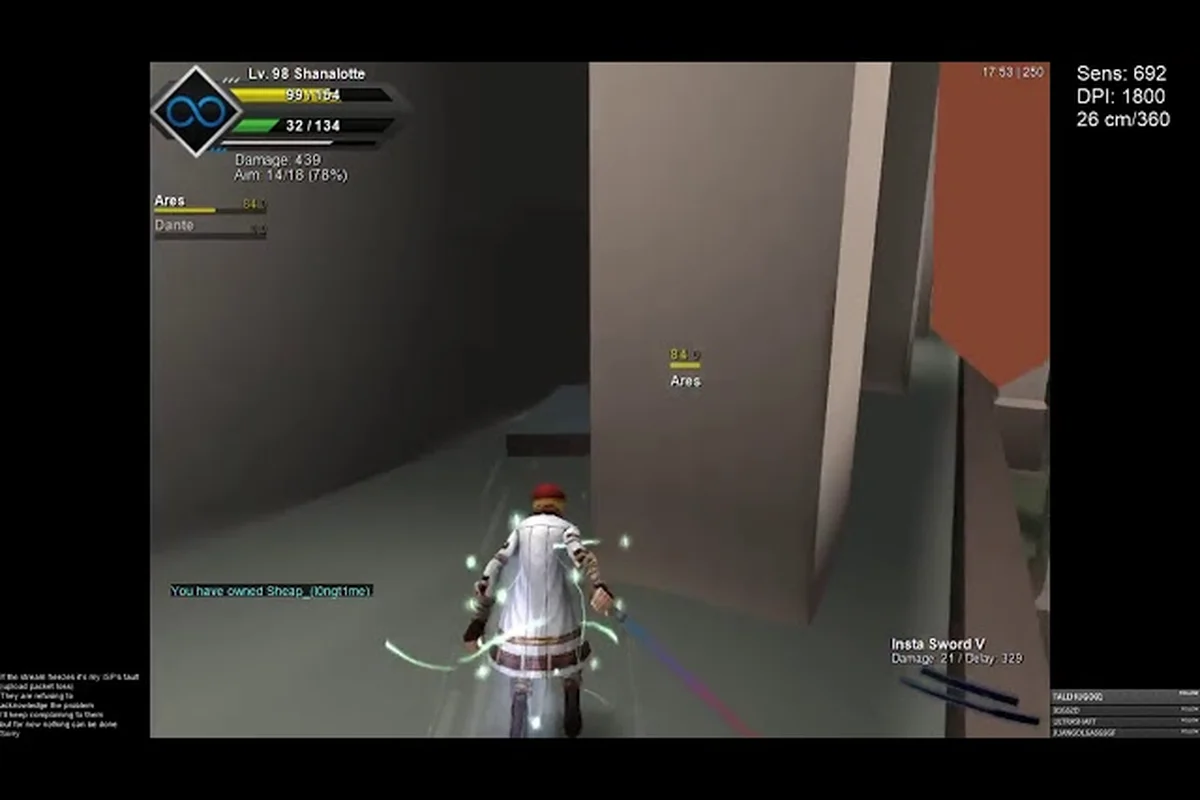
If you just launched GunZ: The Duel and feel overwhelmed by the mode selection screen, this GunZ The Duel PvP guide is exactly what you need. The game throws Duel, Team Deathmatch, Gladiator, Clan War, and Battle Arena at you immediately, plus co-op quests on the side, and each mode demands a different approach to movement, positioning, and K-Style execution. Understanding which mode fits your current skill level and what you want to get out of the game will save you hours of frustration and help you progress faster. We break down every multiplayer mode, explain the co-op options, and give you a clear recommendation framework based on your goals, whether that is ranked climbing, casual fun, or PvE grinding.
GunZ The Duel Game Mode Explained: The Full Mode Roster
| PvP Mode | Format | Player Count | Primary Objective | Best Use Case |
|---|---|---|---|---|
| Duel | 1v1 | 2 | Settle fights on small arenas | Practicing K-Style combos and one-on-one mechanics |
| Team Deathmatch (TDM) | Team score race | 4–8 | Reach the score limit before the enemy team | Fast-paced XP grinding and team coordination |
| Gladiator | Free-for-all | 2–8 | Highest individual kill count wins | Warming up movement and dash timing |
| Battle Arena | Free-for-all | 2–8 | Arena rules with no team allegiance | Testing mixed close/long-range weapon loadouts |
| Clan War | Clan vs. Clan | 4–8 | Organized clan-versus-clan battles | Ranked play and tournament preparation |
The official GunZ: The Duel website lists five core PvP modes alongside co-op PvE quests, and each one serves a different purpose in the competitive ecosystem. Before you queue into anything, you need to understand what each mode tests and what rewards it pays out, because the XP rates and Battle Token earnings vary significantly between them.
Here is the complete mode breakdown as listed on the official site and confirmed by the Steam store page, covering all six competitive and co-op options you’ll see in the lobby. The roster splits into two distinct families: the pure PvP modes—Duel, Team Death Match, and Gladiator—which demand mastery of k-style movement and dash-canceling to outmaneuver opponents, and the co-op modes—Quest, Team Death Match Co-op, and Gladiator Co-op—where you and up to three allies fight alongside NPCs against waves of AI enemies. For a GunZ The Duel PvP guide, this distinction matters because the co-op variants share the same core combat mechanics but replace the pressure of human opponents with predictable AI patterns, making them the ideal training ground for practicing your slash-shot combos before risking them in ranked Duel matches.
-
Duel (1v1) — The classic one-versus-one format where two players settle fights on small arenas. This is the purest test of mechanical skill, movement, and K-Style execution. No teammates to blame, no distractions, just you and your opponent trading dashes and sword combos.
-
Team Deathmatch (TDM) — A team score race where two squads fight to reach a kill target before the timer expires. TDM rewards aggression and map control, and it is the best mode for practicing combat against multiple opponents who use different weapons.
-
Gladiator — A free-for-all arena rule set where every player fights for themselves. The official site describes it as a chaotic brawl, and it is excellent for improving your awareness because threats come from every direction.
-
Battle Arena — Another free-for-all format with slightly different scoring rules, often featuring weapon-specific restrictions or map rotations that force you to adapt your loadout.
-
Clan War — Organized clan-versus-clan battles that follow structured rules and often use custom match settings. This is the competitive endgame for organized teams, and it feeds into the official tournament scene.
-
Co-op Quests (PvE) — Team-based adventures against AI enemies and epic boss fights. The Steam page confirms these modes let you form parties, clear quests, earn rewards and currency, and practice movement in a less punishing environment.
The key insight here is that mode selection directly impacts your progression curve. According to community data, Duel matches give you the most concentrated combat experience but the least forgiving learning environment, while TDM and co-op quests let you accumulate XP and BT at a steadier pace. If you are brand new, jumping straight into ranked Duel queues will likely result in a frustrating losing streak, so understanding the game mode differences before you commit is essential.
How to Play Duel Mode: Mechanics and Winning Fundamentals
Duel mode is the heart of GunZ: The Duel, and mastering it requires a specific set of skills that differ from every other mode. The format is simple — two players, one arena, first to a set number of rounds wins — but the execution is anything but simple. You need to understand the round structure, the movement rules, and the mental game that separates good duelists from great ones.
Round Structure and Win Conditions
A standard Duel match runs best-of-three rounds, with each round ending when one player's HP reaches zero. The first player to win two rounds takes the match. This structure means every round is a fresh start, which rewards players who can reset their mental state quickly after a loss. The small arena size also means engagements happen fast, so reaction time and muscle memory matter more than long-term strategy.
Movement and Positioning Fundamentals
In Duel mode, your movement is your primary weapon. The dash-jump cancel and wall-run techniques let you close distance or create space faster than your opponent can track, and controlling the center of the arena gives you more options for attack angles. Community reports consistently highlight that players who master the butterfly technique — a rapid dash-jump-dash chain that keeps you airborne and unpredictable — dominate lower-ranked Duel lobbies because opponents cannot land consistent hits on a moving target.
Weapon Choice in Duel
Your loadout in Duel mode should prioritize burst damage and combo potential over sustained fire. The standard competitive loadout pairs a melee weapon for close-range combos with a sidearm for finishing blows, and the exact combination depends on your preferred K-Style execution speed. If you are still learning the basics of weapon switching, the beginner guide covers the starting loadouts and how to practice the core input sequences before you take them into ranked play.
The Mental Game
Duel mode is as much a psychological battle as a mechanical one. Reading your opponent's patterns — whether they always dash forward after a reload, or they tend to wall-run when pressured — lets you predict their next move and punish it. Experienced players recommend recording your own matches to identify your tells, because most players develop unconscious habits that become exploitable at higher ranks.
How to Play TDM: Team Coordination and Score Control
Team Deathmatch in GunZ: The Duel is a completely different beast from Duel mode. Instead of isolated mechanical skill, TDM tests your spawn awareness, team coordination, and ability to handle multiple threats simultaneously. The mode is a score race — each kill adds points to your team total, and the first team to reach the target score wins. This creates a fast-paced environment where aggressive play is rewarded, but reckless aggression gets you farmed.
Spawn Control and Map Flow
The most important concept in TDM is spawn control. Teams that control the spawn points on the map can trap opponents in a constant cycle of dying and respawning into danger. This requires coordination — one player pushes forward while teammates hold angles and call out enemy positions. According to player experience, the teams that win TDM matches consistently are the ones that treat it like a territory control game rather than a kill race.
Role Distribution in TDM
Unlike Duel mode where you are a one-man army, TDM benefits from role specialization. A typical winning team composition includes: a dedicated sword-lock (or "glitcher") to pin down the enemy's best player with butterfly and half-step chains, a wall-bouncer who controls the central choke points using dash-cancel and sliding to deny space, and a ranged support who spams revolver and SMG headshots from the flanks to punish anyone attempting a quick-switch or SS escape. This division of labor ensures that while the glitcher forces the enemy into defensive block-dash stances, the wall-bouncer capitalizes on their locked animations, and the support cleans up the disoriented stragglers—a synergy that pure 1v1 mechanics simply cannot replicate.
-
Frontline pressure — Players who push aggressively with melee weapons and disrupt enemy formations
-
Mid-range support — Players who use rifles or SMGs to control sightlines and punish enemies who overextend
-
Flankers — Fast players who use wall-runs and dash chains to circle around the main fight and hit enemies from behind
This role distribution matters because it creates overlapping fields of fire that make it difficult for the enemy team to engage without taking damage from multiple angles. The Gladiator mode guide explains how the free-for-all format trains the awareness skills that transfer directly to TDM flanking.
Score Management and Comeback Potential
TDM matches can swing dramatically because of the score multiplier system that kicks in when a team falls behind. While the exact mechanics vary by patch, community testing suggests that kill streaks and objective-based actions grant bonus points, which means a team trailing by ten kills can close the gap with a few well-executed multi-kill plays. This makes staying composed during a deficit a critical skill — panic and over-aggression usually widen the gap, while patient play creates comeback opportunities.
Communication Tools and Callouts
Effective TDM play requires clear communication, and the game's built-in ping system plus voice chat give you the tools you need. The key is to develop a shared vocabulary for map locations — calling out "enemy on the catwalk" or "two pushing mid" lets your team react instantly without needing to check the minimap. Teams that develop this kind of communication early build a significant advantage over pug groups that play in silence.
Co-op Modes and PvE Quests: Team-Based Progression
Beyond the competitive PvP modes, GunZ: The Duel includes a substantial co-op and PvE quest system that serves multiple purposes. The Steam page confirms that players can form parties to clear co-op quests, earn quest rewards and currency, and face epic boss fights against formidable enemies. These modes are not just a casual side activity — they are a legitimate progression path that teaches you combat fundamentals in a safer environment.
Why Co-op Modes Matter for PvP Improvement
The connection between PvE and PvP performance is often underestimated. Co-op quests let you practice movement and combos against predictable AI enemies before you take those skills into player-versus-player combat. The boss fights in particular teach you to read attack patterns and time your dodges — skills that transfer directly to reading human opponents. According to community reports, players who spend their first few hours in co-op quests often reach the intermediate PvP tier faster than those who jump straight into Duel queues, because they have already internalized the core movement mechanics.
Quest Types and Reward Structure
The co-op quest system in GunZ The Duel isn't just a grind—it's a tiered risk-reward ladder where the difficulty you select directly dictates the quality of drops and the challenge of the PvE encounters. While Normal and Easy modes are soloable with basic gear, tackling Hard or higher throws waves of heavily armored NPCs and boss-tier enemies that demand the same k-style movement and dash-canceling precision you use in PvP. Because the quests are instanced, the rewards scale from common bounty items in lower tiers to rare crafting materials and exclusive cosmetic gear at the top, meaning veterans farm the hardest settings not just for bragging rights but for the only reliable source of certain endgame items.
| Quest Difficulty | Recommended Level | Primary Rewards | Best For |
|---|---|---|---|
| Beginner Quests | Level 1-10 | Basic currency, starter gear | Learning movement and basic combat |
| Intermediate Quests | Level 10-25 | Battle Tokens, cosmetic items | Practicing combos and team coordination |
| Advanced Quests | Level 25+ | Rare gear, high BT payouts | Boss fight mastery and endgame farming |
| Epic Boss Raids | Level 30+ | Exclusive cosmetics, top-tier currency | Endgame progression and challenge |
The XP rates in co-op modes are comparable to TDM, which makes them a viable alternative for players who prefer PvE grinding over competitive matches. The key advantage is consistency — you can reliably complete quests without the variance of player opponents, which makes co-op modes the best mode to level up if you want predictable progression.
Team Composition for Co-op Quests
Successful co-op runs require balanced team compositions that mirror PvP role distribution. A typical quest party includes: a dedicated tank (typically a Sword + Shield user stacking Defense and HP through armor like the Paladin Set) to hold boss aggro, two DPS players (often Dual Sword or Dual Pistol users exploiting Butterfly and Slash Shot for burst damage), and one support who spams Heal Pots and provides dash-cancel mobility to revive downed allies. This mirrors TDM's frontline/backline split, ensuring the party survives the Boss Rush gauntlet's escalating mob waves without burning through resurrection tokens.
-
Tank/Melee — Draws aggro and holds enemies in place with sword combos
-
Ranged DPS — Deals consistent damage from safe distances
-
Support/Flex — Handles adds and provides backup when the tank gets overwhelmed
Boss fights in particular demand coordinated timing — one player triggers the boss's attack animation while others move into position for a damage window. This coordination practice translates directly to Clan War and high-level TDM play, where synchronized pushes often decide matches.
Solo vs. Party Play in Co-op
While co-op quests are designed for parties, solo play is possible and offers its own benefits. Solo questing forces you to handle every threat yourself, which accelerates your individual mechanical improvement. However, the reward efficiency is lower — party play clears quests faster and earns more currency per hour. The right choice depends on your goals: solo for skill development, party play for efficient farming.
Selecting a Mode for Your Playstyle and XP Goals
Now that you understand each mode, the question becomes: which mode should you actually play? The answer depends on your current skill level, your goals, and how much time you have per session. There is no single best mode — there is only the best mode for your specific situation.
Mode Comparison by Player Profile
| Player Profile | Recommended Mode | Why It Works |
|---|---|---|
| Complete Beginner | Co-op Quests | Safe environment to learn movement and combat basics |
| Casual Player | TDM | Fast matches, team support, less pressure |
| Competitive Aspirant | Duel Mode | Pure mechanical skill development |
| Social/Clan Player | Clan War | Structured team play and organized competition |
| Grinder/Farmer | Co-op Quests | Consistent XP and BT rates |
| Advanced Player | Duel + Clan War | Combines individual skill with team coordination |
Progression Path Recommendation
If you are starting fresh, the optimal progression path looks something like this: begin in Co-op modes to master the Slash Shot and Butterfly movement cancels against predictable AI, then transition to Team Death Match to learn map control on Mansion and Prison, and finally enter Duel—the purest 1v1 test of dash-cancel timing and sword/rifle swap combos. This order prevents the frustration of getting chain-comboed by veterans before you've internalized the dash-cancel muscle memory that separates casual players from competitive ones.
-
Hours 1-5: Co-op beginner quests to learn movement and basic combos
-
Hours 5-15: TDM matches to practice against human opponents with team support
-
Hours 15-30: Duel mode to refine individual mechanics and learn matchups
-
Hours 30+: Clan War and ranked play once you have a solid foundation
This path works because it stacks skills progressively — each mode builds on the fundamentals you learned in the previous one. Jumping straight to Duel mode as a beginner is like trying to run before you can walk, and it usually leads to frustration and burnout.
Time Investment Considerations
Your available play time should also factor into mode selection. Duel mode matches are short — usually 5-10 minutes — which makes them perfect for quick sessions. TDM matches run slightly longer, and co-op quests can take 15-20 minutes depending on difficulty. If you only have 30 minutes to play, two or three Duel matches give you more concentrated practice than a single co-op quest. If you have a full evening, a mix of co-op quests and TDM matches maximizes both progression and skill development.
Adapting Your Choice as You Improve
Your optimal mode will shift as you improve. The mode that serves you at level 5 is not the same mode that serves you at level 30. Reassess your goals every few weeks and adjust your mode selection accordingly. Players who stay in one mode indefinitely often hit a plateau because they stop being challenged in the specific skills that mode develops.
Advanced Multiplayer Strategies and Mode-Specific Tips
Once you have a solid grasp of each mode, you can start implementing advanced strategies that give you an edge over players who simply queue up and play. These tips come from community experience and competitive play observation, and they apply across multiple modes.
Cross-Mode Skill Transfer
The most efficient players treat all modes as part of one training system rather than separate games. The movement techniques you practice in co-op quests — wall-runs, dash chains, butterfly — are the same techniques you use in Duel mode. The awareness you develop in Gladiator's free-for-all chaos translates to TDM flanking. The coordination you learn in Clan War applies to co-op boss fights. By viewing every mode as a training ground for a different skill set, you maximize your improvement per hour played.
Warm-Up Routine Before Ranked Play
Competitive players consistently recommend a structured warm-up routine before entering ranked queues. The official site mentions that practice and training modes let players warm up movement and combos before ranked play, and this is not just a suggestion — it is a competitive necessity. A typical warm-up includes:
-
5 minutes of movement drills in a private match — dash-jump cancels, wall-runs, butterfly chains
-
5 minutes of combo practice against a training dummy or in a co-op beginner quest
-
1-2 casual TDM matches to get your reaction time sharpened
This routine takes about 15 minutes and dramatically improves your performance in the first few ranked matches of a session. Players who skip warm-up often lose their first two or three games simply because their hands are not ready for the speed of competitive play.
Map-Specific Strategies
Each map in GunZ: The Duel has unique geometry that favors certain playstyles. Small, enclosed arenas reward aggressive melee play, while open maps with vertical elements favor players who have mastered wall-run techniques. Learning the spawn points, sightlines, and wall-run paths on each map gives you a significant advantage, because you can predict where enemies will appear and position yourself accordingly. The official site's mode descriptions hint at these differences, and community map guides break them down in detail.
Economy Management Across Modes
Your Battle Token and currency earnings vary by mode, and smart players optimize their play sessions around these differences. According to community data, co-op quests and TDM matches offer the most consistent hourly earnings, while Duel mode payouts depend heavily on your win rate. If you are saving for a specific item, running co-op quests during XP & BT UP events — which the official site confirms happen periodically — is the most efficient approach.
Mental Preparation and Tilt Management
Finally, the mental aspect of competitive play cannot be overstated. Losing streaks in Duel mode or getting farmed in TDM can be demoralizing, and tilt leads to worse decision-making and mechanical errors. Experienced players recommend a simple rule: if you lose three matches in a row, take a break. Step away from the game for 10-15 minutes, reset your mental state, and come back fresh. This simple habit prevents the downward spiral that turns a bad session into a terrible one.
Frequently Asked Questions
What is the best GunZ The Duel mode for beginners?
Co-op quests are the best starting point because they let you learn movement and combat mechanics against predictable AI enemies without the pressure of human opponents. After 5-10 hours of co-op play, transition to TDM to practice against real players with team support before attempting Duel mode.
How do I unlock Clan War mode?
Clan War requires you to be in a clan, which you can join or create after reaching a certain account level. The official site lists Clan War as a core PvP mode, and clan leaders can organize matches through the clan interface. Check the official website for the exact level requirement.
What is the fastest way to earn Battle Tokens?
Co-op quests and TDM matches offer the most consistent Battle Token earnings per hour, according to community data. During XP & BT UP events, these rates increase significantly, so prioritize playing during those windows. Duel mode payouts depend on your win rate and are less reliable for farming.
Can I play co-op quests solo?
Yes, co-op quests can be completed solo, though the difficulty scales up because you handle all threats yourself. Solo play is excellent for skill development but less efficient for currency farming. Party play clears quests faster and earns more per hour, so group up when your goal is progression.
Which mode is best for improving K-Style execution?
Duel mode is the best training ground for K-Style because it gives you constant one-on-one engagements where you can focus entirely on your movement and combo execution. However, practice in private matches is even better — set up a custom match and drill specific techniques without the pressure of a live opponent.