
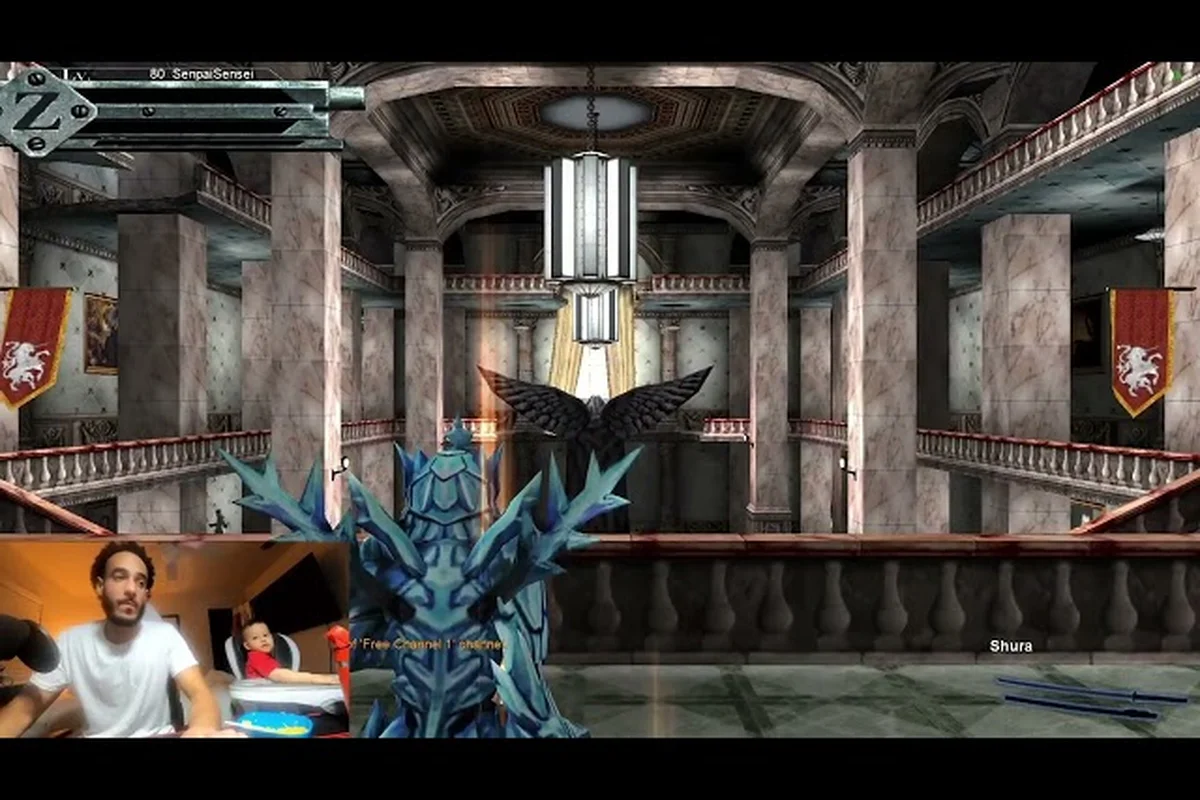
The GunZ The Duel practice mode is the fastest way to build the muscle memory that separates average players from tournament contenders. Unlike jumping straight into ranked lobbies where experienced duelists will punish every mistake, the training environment lets you drill movement, test weapon combos, and refine your timing without the pressure of a live scoreboard. Because the game's signature mechanics — dash-canceling, wall-rebounding, and aerial sword chains — demand precise input sequences, having a dedicated space to repeat them until they become second nature is the difference between frustration and genuine progress. This guide breaks down every training option available, explains how to configure custom and private matches for maximum efficiency, and shows you how to structure practice sessions that translate directly into ranked performance.
Understanding the Practice and Training Modes
Duel (1v1) Arena Warm-Up Drills
The Duel (1v1) mode is the classic format where players settle fights on small arenas, making it the ideal environment for focused warm-up drills. Before entering ranked play, run a structured routine: spend five minutes on dash-cancel movement across the arena's walls, then five minutes practicing sword-dash combos against a stationary opponent. The small arena size forces tight spacing control, which directly translates to the close-quarters engagements common in ranked Duel matches. This mirrors the official recommendation that practice modes let players warm up movement and combos before ranked play.
Private Match Sparring for Combo Consistency
Private matches allow controlled sparring sessions, which are essential for building combo consistency before ranked play. Set up a private match with a training partner and agree on a rule set: no shooting, only sword-dash and slash combos, to isolate melee mechanics. Run 20-minute rounds where each player alternates between attacking and defending, focusing on landing the same combo chain repeatedly. This controlled environment, supported by the official site's description of private matches for controlled duels, eliminates the variables of public TDM or Gladiator matches, letting you measure improvement in combo execution speed and accuracy without interruption.
The practice and training modes in GunZ: The Duel serve as your personal dojo, offering a controlled environment where you can warm up movement and combos before stepping into competitive play. According to the official GunZ: The Duel website, these modes exist specifically to let players refine their mechanics, and the Hall of Fame page confirms that practice sessions are the recommended preparation for ranked matches. What makes this setup particularly valuable is the way it isolates skill development from the chaos of live combat — you can focus entirely on one mechanic at a time rather than juggling positioning, opponent reads, and resource management simultaneously.
The training mode provides several distinct advantages that directly impact your growth rate: unlike public matchmaking, where a single mis-timed slash or missed butterfly cancel can end a duel in seconds, the practice arena removes the pressure of live opponents so you can isolate and drill specific mechanics. You can load a custom match with bots set to stationary or passive behavior, then focus purely on mastering the dash-cancel timing for sword combos or the lead-shot placement for your Revolver—repeating the same input sequence dozens of times without the distraction of a human defender. This repetition builds the muscle memory that tournament players rely on during GunZ The Duel duel tournament brackets, where split-second execution under pressure is the difference between landing a full slash combo and eating a counter. Moreover, because the training mode tracks your actions without the chaos of a 4v4 team deathmatch, you can measure incremental improvements in your movement speed and combo consistency, giving you concrete feedback that random public matches simply cannot provide.
-
Zero-pressure repetition: You can attempt the same dash-cancel combo fifty times in a row without worrying about dying or losing a round.
-
Instant feedback loops: Since you control the pace, you can immediately identify which input in a sequence is causing the drop.
-
Weapon familiarity: Testing different armaments against stationary or AI targets reveals damage values and swing timings that are hard to observe mid-fight.
-
Movement mastery: The open space lets you practice wall-rebound routes and aerial transitions that would be suicide to attempt against a live opponent.
What separates this training mode from simple free-play is its deliberate design around skill acquisition. The environment strips away distractions so you can build the dash-cancel timing that forms the foundation of advanced play, then gradually layer in more complex techniques as your consistency improves. Players who spend their first few sessions exclusively in practice mode typically enter their first ranked matches with noticeably cleaner movement than those who learn by trial and error in public lobbies.
Setting Up Custom Matches for Focused Drills
Custom matches are where GunZ The Duel practice mode transforms from basic repetition into structured, goal-oriented training. Unlike the open-ended nature of the standard training environment, custom matches let you replicate real match conditions while maintaining full control over the variables. This is particularly useful when you want to practice specific scenarios — such as holding a corner against an aggressive opponent or executing a particular combo under pressure — because you can set up the exact situation you need to work on.
The setup process is straightforward, but your configuration choices dramatically alter training effectiveness. For instance, enabling No Cooldown and Infinite HP while practicing butterfly and half-step mechanics isolates movement timing from damage risk, letting you chain dozens of repetitions without resetting after a knockdown. Conversely, disabling No Cooldown forces you to manage the 0.3-second global cooldown between sword swings, a variable that directly impacts your dash-cancel rhythm in real duel tournament matches. Below is a breakdown of each key setting and how it shapes your GunZ The Duel practice mode routine.
| Setting | Recommended Value | Training Benefit |
|---|---|---|
| Map Selection | Small arena maps | Forces close-quarters combat and rapid decision-making |
| Time Limit | 10 minutes | Balances repetition with natural breaks for reflection |
| Round Count | Best of 7 | Mimics tournament format while limiting fatigue |
| AI Difficulty | Medium initially | Provides resistance without overwhelming new techniques |
| Weapon Restrictions | None | Encourages experimentation with different loadouts |
When you configure a custom match for drills, the goal is to create a repeatable scenario that isolates one specific skill. For example, if you are working on your defensive game, set up a match against an aggressive AI opponent on a small map and focus exclusively on parrying and counter-attacking. If you are practicing offensive pressure, choose a larger map and work on closing distance while maintaining your combo chains. The key is to avoid the temptation to simply fight without a plan — every custom match should have a defined objective that you are actively working toward.
Using Private Matches for Controlled Sparring
Private matches take the training concept one step further by introducing human opponents in a controlled, invite-only setting. While custom matches against AI are excellent for building mechanical consistency, private matches against real players expose you to the unpredictable decision-making that no bot can replicate. The GunZ: The Duel Steam page highlights that players use custom or private matches to practice before entering ranked play, which speaks to their effectiveness as a preparation tool.
The real value of private matches lies in their flexibility for coordinated practice. When you spar with a friend or clanmate, you can agree on specific training objectives before the match begins—for instance, dedicating one session purely to dash-cancel butterfly timing or refining slash-shot angles on the Mansion rooftop, rather than drifting into free-for-all combat. This pre-agreed focus transforms each respawn into a micro-drill, letting you isolate a single mechanic without the noise of a ranked duel. You can also enforce rules that public lobbies ignore, like banning shotguns or limiting yourself to a single sword, which forces cleaner chains and exposes bad habits in your movement. Because you control the map and round timer, you can run 10-minute blocks of continuous repetition, then review the replay to check whether your lead-in to a reload-cancel actually landed before the opponent's block recovery. That structured repetition is what separates a casual scrim from a genuine GunZ The Duel training mode session, and it builds the muscle memory you'll carry into tournament brackets.
-
Mirror matches: Both players use the same weapon to focus purely on movement and positioning advantages.
-
Handicap drills: The stronger player restricts themselves to basic attacks while the weaker player practices advanced combos.
-
Scenario replication: Recreate tournament situations, such as being down 2-4 in a best-of-7, to practice comeback mentality.
-
Role rotation: One player practices aggressive pressure while the other works on defensive reads, then swap.
Private matches also serve as the ideal environment for duel tournament preparation. Because you control who joins and what rules apply, you can simulate the exact conditions of an upcoming competition — same map pool, same round count, same weapon restrictions. This level of preparation is why serious competitors rarely enter tournaments without several private match sessions under their belts. The ability to practice against human opponents who adapt and counter your strategies is irreplaceable, and private matches provide that experience without the ranking risk of public lobbies.
Building a GunZ The Duel Mode Strategy for Practice
XP & BT UP Event Rate Shifts in Practice Mode
Practice and training modes in GunZ: The Duel do not grant a static XP rate. The official Hall of Fame page at gz.ludenus.com/rank confirms that XP rates vary by mode and shift during XP & BT UP events. A player grinding combos in a private match during a standard period earns a baseline rate, while the same drill during an XP & BT UP event yields a boosted multiplier. This makes event windows the optimal time to warm up movement and combos before ranked play, since the practice time also accelerates Battle Token accumulation. Since movement and combo practice is most efficient during these boosted windows, pairing that warm-up with a dedicated space to master advanced techniques like K-Style and dash-canceling—see our Gunz The Duel Training Map—ensures every Battle Token spent also sharpens the exact muscle memory that ranked play demands.
Custom Match Map Selection for Tournament Practice
Custom matches support setting up controlled duels or tournament practice with chosen maps and rules, per the official GunZ: The Duel website. When preparing for a Clan War or official tournament, select the exact competitive map rotation used in those events rather than default arenas. This replicates tournament conditions, including map-specific wall angles and dash paths. For example, practicing on a Battle Arena map with free-for-all rules in a custom match lets you rehearse multi-opponent awareness, while a custom Duel on a small arena sharpens one-versus-one focus. This map-specific preparation is a documented feature of custom match functionality.
| Mode | XP Rate | BT Rate | Primary Use Case |
|---|---|---|---|
| Practice / Training | Standard | Standard | Warm up movement and combos before ranked play |
| Custom / Private Match | Standard | Standard | Controlled duels or tournament practice with chosen maps and rules |
| Ranked Play | Standard | Standard | Competitive matches with Hall of Fame eligibility |
| XP & BT UP Event (all modes) | Boosted | Boosted | Temporary event period with increased XP and BT gains |
A structured GunZ The Duel mode strategy transforms scattered practice into measurable improvement. Rather than logging in and randomly choosing between training, custom, or private matches, you should approach each session with a clear progression plan that builds skills in a logical order. This deliberate approach is what separates players who improve steadily from those who plateau after a few weeks.
The most effective practice framework follows a progression from isolated mechanics to integrated application, meaning you first drill specific inputs in a GunZ The Duel custom match before layering them into live sparring. For example, spend 10 minutes in a private match practicing the butterfly or half-step dash against a stationary bot to build muscle memory for the exact keystroke timing, then transition to a duel tournament setting where a moving opponent forces you to chain those dashes into slash-reload-cancel combos under pressure. This staged approach prevents the common trap of trying to execute advanced techniques like the sword-dash cancel in a real fight before your fingers can perform the base movement without conscious thought, which is why most players plateau when they skip the isolated phase and jump straight into chaotic free-for-alls.
| Phase | Focus | Recommended Mode | Duration |
|---|---|---|---|
| Warm-up | Basic movement and dash-cancel timing | Training mode | 10-15 minutes |
| Technique Drills | Specific combos and weapon mastery | Custom match vs AI | 20-30 minutes |
| Pressure Testing | Applying techniques against resistance | Private match | 30-45 minutes |
| Competitive Simulation | Full matches with tournament rules | Private match | Until fatigue sets in |
The warm-up phase is critical because it re-establishes the muscle memory you built in previous sessions. Start with basic movement — dashes, wall-rebounds, and aerial transitions — then move into your core combos. This phase should feel easy; if you are struggling with fundamentals, you are not warmed up yet.
The technique drills phase is where you push your limits. Pick one specific technique you want to improve — whether that is a new sword combo or a more efficient dash route — and repeat it until you can execute it consistently. Custom matches against AI are ideal here because you can practice against resistance without the pressure of a human opponent.
The pressure testing phase is where you validate your practice under realistic conditions. Private matches against skilled opponents reveal which techniques hold up under pressure and which fall apart when you are being actively countered. This is also the phase where you refine your duel tournament readiness, since you are practicing against opponents who are trying to beat you rather than cooperating with your training goals.
Advanced Practice Techniques for Competitive Play
Once you have established a consistent practice routine, the next step is incorporating advanced techniques that give you a competitive edge in tournaments and ranked play. These methods go beyond basic repetition and require a deeper understanding of how the game's mechanics interact with each other.
One of the most effective advanced practices is scenario-based training. Instead of practicing techniques in isolation, you create specific game situations and practice your response to each one. For example, you might set up a custom match where you start at a health disadvantage and practice your comeback strategy, or a private match where your opponent agrees to use only one weapon so you can learn to counter it specifically. This approach builds the situational awareness that tournament champions rely on, because you are not just practicing moves — you are practicing decision-making.
Another advanced technique is video review. Record your private matches and review them after the session, looking for patterns in your play that you want to reinforce or eliminate. This is particularly valuable because it lets you see your mistakes from an outside perspective, which is impossible during live play. Many competitive players report that reviewing their own matches is one of the fastest ways to identify and correct bad habits.
The XP and BT rates also play a role in practice strategy, since the official site notes that rates vary by mode and shift during special events. While practice modes may not offer the same rewards as ranked play, the skill development you gain is far more valuable than the in-game currency you might earn elsewhere. Players who prioritize skill building over grinding typically see faster long-term improvement, which is why the most dedicated competitors spend a significant portion of their playtime in practice environments rather than farming matches for rewards.
Frequently Asked Questions
What is the difference between training mode and custom matches in GunZ The Duel?
Training mode is a solo environment designed for free-form practice of movement and combos without any pressure. Custom matches let you configure specific parameters like map, time limit, and AI difficulty to create structured drills. Training is best for pure repetition, while custom matches add resistance and scenario-based practice.
How do I set up a private match for duel tournament practice?
Create a custom match and set it to private or invite-only, then configure the map pool, round count, and weapon restrictions to match your upcoming tournament rules. Invite sparring partners who are willing to play at competitive intensity. This setup lets you simulate tournament conditions without risking your ranked standing.
Can I practice with friends in GunZ The Duel practice mode?
Yes, private matches are the best way to practice with friends. You can create an invite-only match and spar with your clanmates or training partners. This is particularly effective for coordinated drills like mirror matches or handicap practice, where you and your partner agree on specific training objectives before the match begins.
How long should I practice before entering ranked matches?
Most competitive players recommend at least 10-15 hours of dedicated practice before entering ranked play. This should include time in training mode for fundamentals, custom matches for technique application, and private matches for pressure testing. The exact duration depends on your prior experience with similar games and how quickly you internalize the movement mechanics.
What is the best GunZ The Duel mode strategy for improving quickly?
The best strategy is structured progression: warm up in training mode, drill butterfly and half-step reload cancels against a stationary dummy for 20 minutes, then pressure-test those inputs in a private match against a skilled opponent. Track your reload-cancel execution across five matches—if it drops below 80% under duress, your fundamentals aren't tournament-ready yet.