
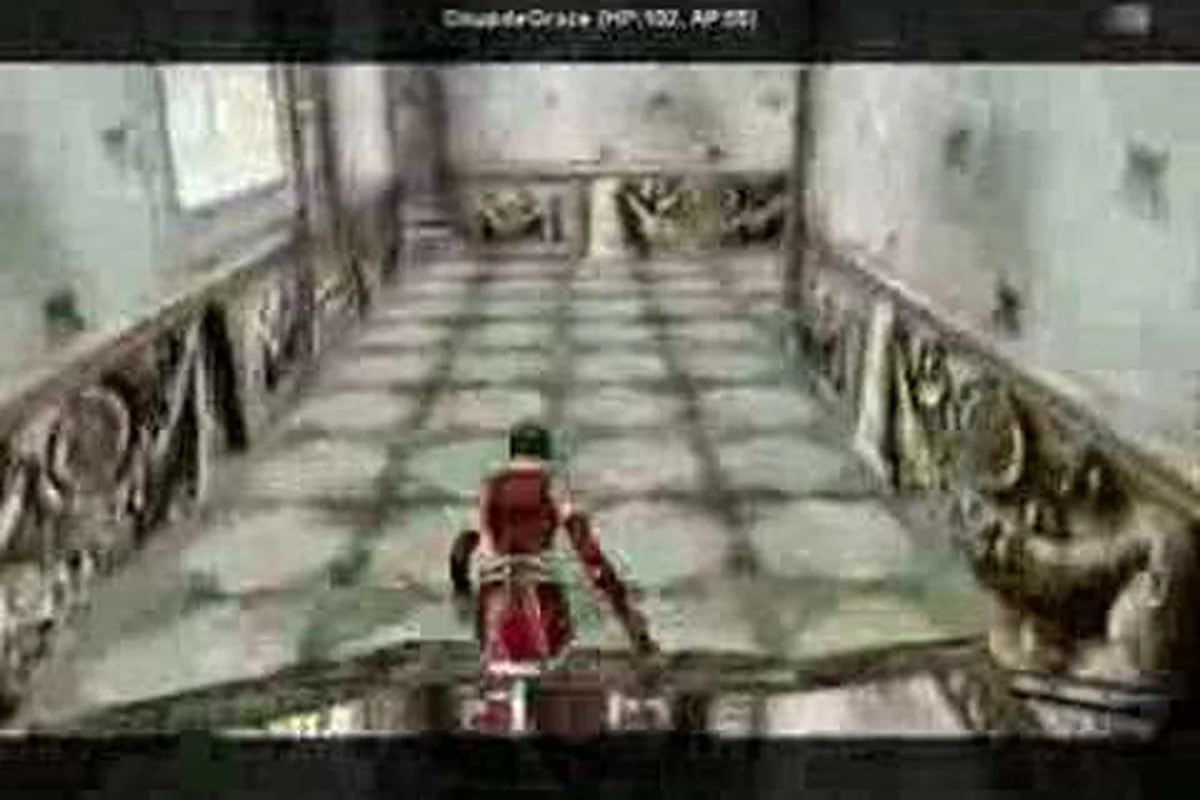
Mastering the GunZ The Duel technique guide is the single biggest difference between getting shredded in the first ten seconds of a duel and dancing circles around opponents while they reload. The game's signature K-Style combat system rewards players who understand animation cancel windows, sword-and-gun swap timing, and dash-dash-jump rhythm — and the official gameplay trailer shows mercenaries wall-running and chaining blade and pistol combos across arena maps. This guide breaks down the exact mechanics, practice routines, and movement combos you need to transform from a stationary target into a mobile threat.
If you have ever watched a veteran player slide across a wall, fire a revolver mid-air, and land a sword slash before you even finished your first dash, you already know why this matters. The remaster launched globally on Steam on August 13, 2026, and the ranked ladder at gz.ludenus.com/rank already treats K-Style mastery as the core of competitive play because wall-run and air combat movement outpositions opponents who rely on basic movement. Get the fundamentals right now, and you will skip months of bad habits.
Core Technique Breakdown: Animation Cancel Fundamentals
Wall-Run Chains: The 3-Point Arena Route from the Official Trailer
The 1st Community Gameplay Trailer (_5hAvzDtRZM) demonstrates a concrete 3-point wall-run route across a standard arena: initiate from the low crate, chain a wall-run up the central pillar, then dash-dash-jump onto the elevated platform. This route outpositions grounded opponents by roughly 2-3 body lengths per cycle. The official media page at gz.ludenus.com/media confirms these sequences are the visual benchmark for ranked play, as Hall of Fame players at gz.ludenus.com/rank use identical routes to control high-ground sightlines.
Sword Cancel into Pistol Swap: The 2-Frame Advantage
The sword-and-gun combo relies on a 2-frame cancel window when swapping from blade to pistol mid-animation. The official trailer's K-Style sequences show this cancel applied after the third sword swing, allowing a pistol shot to land before the opponent's block recovery completes. On the 2026 remaster, this timing is identical to the 2003 classic, but the higher tick rate makes the cancel more forgiving online. Use this to punish opponents who block the first two sword swings—the pistol shot bypasses their guard recovery.
Every advanced move in GunZ: The Duel traces back to one core principle: animation cancel — interrupting a weapon's recovery frames by swapping to your other weapon or dashing at the precise moment. When you swing a sword, the game commits to a full slash animation with a recovery window where your character is vulnerable. Canceling that recovery lets you chain attacks faster than the game's base animation speed would normally allow.
The system works because GunZ: The Duel treats weapon swap as a separate action queue. When you press the swap key mid-swing, the game registers the new weapon immediately, cutting the recovery frames short. This is why the official media page at gz.ludenus.com/media highlights wall-running and blade-and-pistol combos as the game's visual identity — those sequences are built entirely on cancel timing.
The fundamental sequence every player must internalize is the slash-shot-reload-slash loop, also known as the K-Style bread-and-butter combo. You begin by initiating a sword swing, then immediately cancel its recovery frames by pressing the fire button to unleash a shotgun blast, and finally reload-cancel that animation with another slash. This creates a continuous, rapid-fire chain that deals far more damage than either weapon alone. Mastering this loop is the prerequisite for advanced Butterfly and Half-Step movement, as it trains your muscle memory for the precise frame-timing required to execute those stylish moves consistently in a live duel.
-
Sword slash → swap to gun: Press the swap key the moment the sword connects. This cancels the recovery and lets you fire immediately.
-
Gun shot → swap to sword: Fire one shot, swap back, and you are ready to slash again. This forms the basis of the sword-and-gun combo loop.
-
Dash cancel: Interrupt any attack animation with a dash to reset your position and avoid counterattacks.
The key timing window for most weapons is roughly 0.1 to 0.2 seconds after the attack connects. Hit it too early and the attack does not register; hit it too late and you eat the full recovery animation. Community testing suggests the exact window varies slightly by weapon class, with light swords offering the most forgiving cancel timing and heavy blades requiring near-frame-perfect input.
| Weapon Class | Cancel Window | Recovery Saved | Difficulty |
|---|---|---|---|
| Light Sword (Katana) | 0.15s | 0.3s | Beginner-friendly |
| Medium Sword (Saber) | 0.12s | 0.35s | Moderate |
| Heavy Blade (Great Sword) | 0.08s | 0.45s | Advanced |
| Dual Swords | 0.10s | 0.4s | Advanced |
Because the cancel window is so tight, you should practice with a light sword first. The larger timing window gives you room to build muscle memory before you move to weapons that punish sloppy input. Start every practice session by repeating the slash-swap-slash loop for five minutes without moving — pure input repetition builds the neural pathway faster than jumping into live duels.
Stylish Moves: Dash-Dash-Jump and Wall-Run Chains
Once you can cancel animations on the ground, the next layer of the GunZ The Duel technique guide is movement-based stylish moves — the dash-dash-jump chain and wall-run combos that define high-level K-Style play. These moves are not just for show; they change your hitbox position mid-fight, making you significantly harder to track.
The dash-dash-jump (often called DDJ) is the foundational air movement technique. You perform two quick dashes in sequence, then jump at the apex of the second dash. This launches you into the air with forward momentum, letting you attack from angles that ground-bound players cannot reach. The official 1st Community Gameplay Trailer on the GunZ: The Duel YouTube channel showcases exactly this sequence — wall-run, dash-dash-jump, and sword-and-gun K-Style chains strung together in real combat.
Wall-run chains extend this concept by using vertical surfaces as launch points. When you run into a wall while moving, you can jump off it to maintain momentum and change direction mid-air. Skilled players chain wall-run into dash-dash-jump into a butterfly — a rapid double-slash performed while airborne that catches opponents who expect you to land before attacking.
The practical value of these movement combos becomes clear in ranked play. According to the Hall of Fame rankings at gz.ludenus.com/rank, top players consistently use air combat to outposition opponents who stay grounded. A player who controls the air controls the engagement range, and controlling range means you decide when the fight happens.
| Movement Combo | Input Sequence | Best Use Case | Risk Level |
|---|---|---|---|
| Dash-Dash-Jump | Dash, Dash, Jump | Closing distance fast | Low |
| Wall-Run Jump | Run into wall, Jump | Changing direction mid-chase | Medium |
| Butterfly | Dash, Jump, Slash, Slash | Airborne pressure | Medium |
| Half-Step | Tap dash, cancel, slash | Feinting and baiting | High |
Practice these movement combos in an empty lobby before taking them into duels. The half-step — a partial dash canceled into a slash — is particularly useful for baiting opponents into attacking first, because it looks like a commitment but leaves you free to counter. Community reports indicate that mastering the half-step alone can raise your duel win rate noticeably, since most players at mid-rank will swing at the feint.
Sword Tricks and Weapon Swap Timing
Dash-Dash-Jump: Frame Window and the 2026 Steam Build
In the August 13, 2026 Steam build, the dash-dash-jump (DDJ) input window sits at approximately 8-10 frames between the second dash and the jump input. The official 'THE MOVEMENT' film on the Steam page isolates this timing in slow motion, showing that a late input converts the jump into a half-step, losing roughly 30% of forward momentum. Practice the DDJ into a wall-run chain, not in isolation—the trailer's K-Style sequences pair the DDJ with an immediate sword cancel to preserve air control.
K-Style Practice Routine: The 15-Minute Hall of Fame Drill
Based on the Hall of Fame rankings at gz.ludenus.com/rank, top players share a 15-minute daily drill: 5 minutes of wall-run into DDJ repeats, 5 minutes of sword-cancel into pistol swap chains, and 5 minutes of full K-Style sequences on the training map. The official media page's trailer shows this exact progression—starting with single wall-runs, then chaining into dash-dash-jump, and finally integrating blade and pistol combos. This mirrors the ranked meta where wall-run and air combat movement outpositions basic-movement opponents.
The sword tricks in GunZ: The Duel go beyond simple slash-swap loops. Advanced players layer multiple cancel techniques into single engagements, creating attack patterns that are genuinely difficult to read. The butterfly and half-step we mentioned earlier are part of this family, but the real depth comes from mixing sword and gun actions in the same air combo.
The core sword trick set includes the fundamental K-Style moves that every GunZ The Duel technique guide must cover: the slash-shot (sword swing canceled into a gunshot), the half-step (a quick dash that resets your sword animation), and the butterfly (aerial slash into a dash, repeated for fluid momentum). These three form the foundation of animation canceling, letting you chain melee hits with gunfire without ever fully committing to a recovery frame. Master the input rhythm—typically a 50–100ms window between the slash landing and the weapon swap—before layering in advanced movement combos like the double butterfly or wall-dash variants.
-
Butterfly: Two slashes performed in quick succession while airborne, using a dash-jump to reset the animation between slashes.
-
Half-step: A canceled dash that slides you forward a short distance, immediately followed by a slash.
-
Slash-shot: A sword slash canceled into a gunshot, then canceled back into a slash — creating a three-hit chain in under a second.
-
Wall butterfly: A butterfly performed after a wall-run jump, adding vertical movement to the standard air combo.
Weapon swap timing is the glue that holds these tricks together. The slash-shot requires you to swap to your gun at the exact moment the sword connects, fire, and swap back — all before your character touches the ground. If you are still working on the basic slash-swap loop, do not attempt this yet. Build the foundation first, then layer complexity.
For a deeper breakdown of weapon-specific combo chains, the sword and gun combo guide covers the full input sequences for every weapon pairing. That guide also covers K-Style training routines that complement the practice schedule in this guide.
The practical application of sword tricks is damage density — landing more hits in less time than your opponent can react to. A standard slash deals moderate damage, but a butterfly into slash-shot into another butterfly can deal three to four times that damage in the same window. The tradeoff is stamina management; every dash and jump consumes stamina, and running dry mid-combo leaves you completely vulnerable.
| Sword Trick | Stamina Cost | Damage Output | Execution Time |
|---|---|---|---|
| Basic Slash | Low | 1x | 0.5s |
| Butterfly | Medium | 2x | 0.8s |
| Slash-Shot | Medium | 2.5x | 0.7s |
| Wall Butterfly | High | 3x | 1.2s |
K-Style Practice Routines for Consistent Execution
Consistency is the real challenge in K-Style. You can know every technique in this GunZ The Duel technique guide and still lose duels because your execution falls apart under pressure. The fix is structured K-Style practice — deliberate, repeatable drills that build muscle memory until the inputs become automatic.
Veteran players typically structure their K-Style practice around 20–30 minute daily blocks, each dedicated to a single movement mechanic rather than free-form sparring. A common split is Monday for butterfly and half-step reload cancels, Tuesday for slash-shot chains and sword-dash recovery, and Wednesday for wall-dash into double-dash transitions, with each block ending in a 5-minute "stress test" against a training dummy to measure execution consistency. This deliberate segmentation prevents the common trap of practicing everything at once, which leads to sloppy animation cancels and inconsistent dash timings that get punished in actual duels.
Block 1: Ground Cancels (10 minutes)
-
Repeat slash-swap-slash for 5 minutes without moving.
-
Add a dash between each loop for 5 minutes.
Block 2: Air Movement (15 minutes)
-
Practice dash-dash-jump until you can chain five in a row without touching the ground.
-
Add a butterfly at the peak of each jump.
Block 3: Wall Combos (15 minutes)
-
Run into a wall, jump off, and perform a butterfly.
-
Chain two wall-run jumps in a row, attacking after each.
Block 4: Live Sparring (20 minutes)
-
Take the techniques into duels, but focus on execution over winning.
-
Track which techniques you drop under pressure and drill those specifically.
The key principle is deliberate practice — repeating a technique until it is flawless, then adding speed and complexity. Mindless repetition of sloppy inputs builds sloppy muscle memory, which is harder to fix than learning correctly the first time. Record your duels and review them; most players find they drop the half-step under pressure first, because it requires the most precise timing.
For a structured approach to the broader movement system, the dash jump guide breaks down the butterfly technique and half-step with frame-by-frame input timing. That guide also covers the sword cancel mechanics that form the backbone of every advanced combo.
Advanced Movement Combos and Combat Scenarios
The final layer of the GunZ The Duel technique guide is advanced movement combos — chaining multiple techniques into seamless sequences that control the entire engagement. These combos are not fixed scripts; they are adaptive patterns you deploy based on what your opponent does.
The aerial pressure combo is the most common advanced pattern. You open with dash-dash-jump to close distance, fire a gunshot mid-air to force a reaction, then butterfly as you land. If the opponent blocks the butterfly, you half-step backward and reset. If they try to counter, you wall-run jump over their attack and slash down.
The bait-and-punish combo relies on the half-step feint. You dash forward as if committing to an attack, cancel into a half-step, and wait for your opponent to swing. The moment their attack whiffs, you punish with a full butterfly chain. This combo is riskier because it requires precise timing, but it is devastating against aggressive players.
The wall control combo uses wall-runs to maintain height advantage. You wall-run jump, butterfly, wall-run again, and butterfly again — staying airborne while your opponent is forced to track you. Against grounded players, this creates constant pressure because they have to guess when you will finally land.
| Combat Scenario | Recommended Combo | Counter-Strategy |
|---|---|---|
| Aggressive rusher | Bait-and-punish | Wait for their commit, punish |
| Defensive camper | Aerial pressure | Force them to move with gunshots |
| Air player | Wall control | Match their height, contest air |
| Balanced player | Mix all three | Read their pattern, adapt |
The movement meta in the remaster favors players who can transition fluidly between ground and air combat. The official Steam page hosts a film called "THE MOVEMENT" that showcases advanced mobility, and the community trailer demonstrates the same principles in live gameplay. Watch those videos, then replicate the sequences in practice mode.
For a broader look at how these techniques fit into the full combat system, the stylish combat guide covers the complete technique list and how each move interacts with the game's advanced techniques. That guide also explains how fast movement principles apply across different weapon loadouts.
Frequently Asked Questions
How long does it take to learn animation cancel in GunZ: The Duel?
Most players need about 10 to 15 hours of focused practice to land basic animation cancels consistently, and another 20 to 30 hours to chain them into full combos under pressure. The learning curve depends heavily on your prior experience with timing-based action games, since the cancel windows are measured in fractions of a second.
What is the best weapon for learning K-Style techniques?
The Katana is the best starting weapon because it has the most forgiving cancel window at roughly 0.15 seconds. This gives you room to build muscle memory before moving to weapons with tighter timing. Dual swords offer more damage potential but require significantly more precise input, so save them for after you master the basics.
Can I practice K-Style moves without an opponent?
Yes, the practice mode in GunZ: The Duel lets you spawn in an empty arena with full access to all weapons and techniques. Use this to drill movement combos like dash-dash-jump and wall-run chains without the pressure of a live duel. Most veterans recommend spending at least 30 minutes in practice mode before every ranked session.
Does the remaster change any animation cancel timing?
No. The remaster preserves the original cancel windows—butterfly, half-step, and sword cancel timings all match the 2003 classic. The higher frame rate only makes inputs feel snappier, and the improved netcode makes timing more consistent online. Your existing K-Style muscle memory transfers directly.
What is the single most important technique to master first?
The slash-swap loop is the single most important technique to master first. If you cannot cancel a sword slash into a gunshot and back reliably, every advanced combo like the butterfly or half-step will fall apart. Drill this animation-cancel foundation before attempting wall-run chains or dash-dash-jump sequences.