
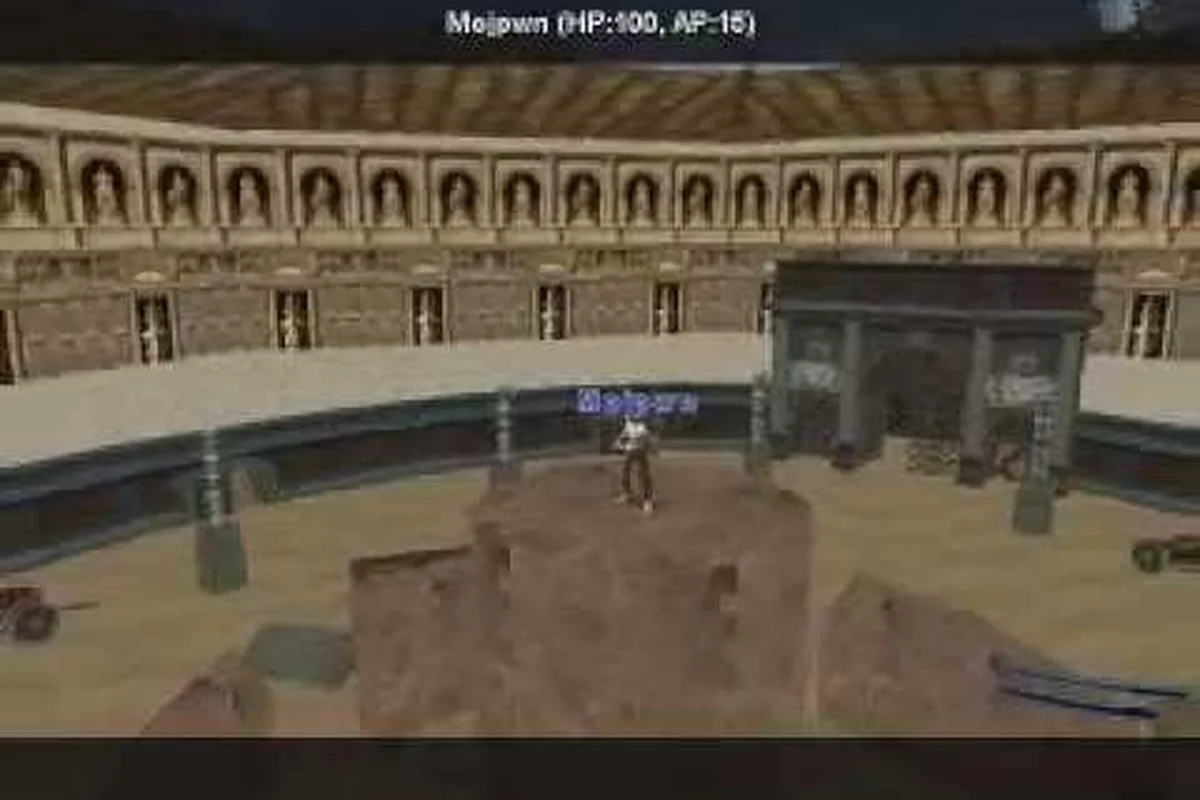
Choosing the right arena can decide a duel before the first shot fires, and this GunZ The Duel map comparison breaks down exactly how size changes your approach. Small maps reward aggressive melee pressure and quick dashes, while large maps give ranged players room to breathe and rotate. Understanding these differences matters because your weapon loadout, movement style, and even your K-Style execution all perform differently depending on the battlefield. Get the full breakdown below so you can adapt your strategy the moment the map vote appears.
Why Map Size Defines Your GunZ The Duel Strategy
The physical dimensions of an arena shape every engagement in ways that new players often underestimate. When you load into a compact arena, the distance between spawn points shrinks, which means you encounter opponents faster and have fewer opportunities to reposition before a fight begins. On the official GunZ: The Duel website, the developers note that map choice shapes strategy directly: small maps favor close-range melee and fast duels, while large maps reward ranged play and rotation. This isn't just flavor text — it's the core design philosophy behind every arena in the game.
Arena footprint determines more than just travel time between fights. It influences which weapons become viable, how much space you have to execute dash-jump chains, and whether wall-running routes actually connect to useful positions. A small map like a tight rooftop arena might have wall-run paths that loop back into the center, while a sprawling complex gives you multiple floors and corridors to exploit.
The key insight is that map size acts as a multiplier on your existing skill set. If you've mastered close-range sword combos, small maps amplify your pressure because opponents can't create distance. If you prefer rifle play, large maps let you control sightlines and punish players who cross open ground. Understanding this relationship helps you make smarter choices during the map voting phase.
Small Maps: Close-Range Combat and Fast Duels
Small arenas compress the battlefield into a tight space where reaction speed and aggression dominate. These maps typically feature short sightlines, multiple corners, and limited vertical space, which means you'll frequently find yourself in melee range whether you planned for it or not. Players who excel on GunZ The Duel small maps tend to favor dash-heavy movement and quick sword combos that punish opponents before they can establish ranged control.
The tempo on small maps is noticeably faster because engagements happen constantly. You might finish a duel, respawn, and immediately encounter another enemy within seconds. This constant pressure rewards players who maintain high awareness and can chain multiple fights without exhausting their stamina. Positioning becomes less about holding angles and more about controlling the center of the map where most traffic flows.
Here's what typically defines a small arena: tight corridors and enclosed rooms that force engagements within a few sword lengths, where the dash-cancel and butterfly movement techs dominate over raw aim. On maps like Mansion or Prison, the lack of open sightlines means a player spamming shotgun or sword at close range will out-trade a sniper who can't scope in before taking a dash to the face. The confined geometry also amplifies the value of wall-climbing and sword-block timing, since there's rarely room to retreat and reset a fight—every missed slash or failed guard gets punished instantly by a counter combo. This is why small arenas favor aggressive, high-APM players who can chain dash-slash into reload-cancel without needing a second to breathe.
-
Short engagement distances — most fights start within 10-15 meters, favoring shotguns and melee
-
Limited escape routes — fewer corridors mean fewer options when you need to retreat
-
High encounter frequency — you'll fight more often per match, which tests your stamina management
-
Wall-run paths that loop — vertical routes often circle back to the same central area
For players who want to practice their close-range game, small maps offer the fastest feedback loop. Every mistake gets punished immediately, which accelerates learning but can feel overwhelming for newcomers. The spawn proximity on these maps also means that third-party interference is common in team modes, so you need to track multiple opponents simultaneously.
Large Maps: Ranged Control and Rotation Play
Wall-Run Friendly Arenas: K-Style Movement Hotspots
Wall-run friendly arenas are the backbone of K-Style combat in GunZ: The Duel. These maps feature vertical structures and wall surfaces that enable the signature wall-run, dash, and air-combo chains that define high-level play. On these arenas, players can chain wall-runs into butterfly or half-step dashes to close distance or escape pressure. The official media showcases these vertical structures as intentional design choices, rewarding players who master movement over those who rely on static positioning. Prioritize these maps if your loadout emphasizes melee weapons and acrobatic air combat.
Small Map Duels: Melee and Butterfly Chains
Small maps in GunZ: The Duel favor close-range melee combat and fast duels, where the butterfly technique—a rapid slash-and-dash combo—becomes the dominant offensive tool. On these compact arenas, the reduced distance between spawn points forces immediate engagement, making ranged weapons like the Revolver less effective due to limited sightlines. Players who master the butterfly and half-step dashes can control the pace of the duel, chaining slashes into wall-runs for relentless pressure. Map voting systems often see small maps banned by players who prefer ranged play, as the tight quarters negate the advantage of long-range weapons entirely.
| Map Type | Preferred Engagement Range | K-Style Suitability | Strategic Focus |
|---|---|---|---|
| Small duel arenas | Close-range melee & fast duels | High — wall-run friendly layouts enable dash-cancel combos | Quick rotations, aggressive sword play |
| Large maps | Ranged combat & rotation | Moderate — open sightlines reduce wall-run utility | Positional control, long-range weapon usage |
| Training / practice maps | All ranges (safe space) | Very High — dedicated space for wall-run, dash and combo timing drills | Learning movement tech before competitive play |
Large arenas flip the script by giving you space to think, reposition, and control the flow of battle. These maps feature long sightlines, multiple floors, and complex wall-run routes that connect distant areas. Players who prefer precision weapons like rifles or want to master positional play will find these environments far more forgiving of mistakes, because a single dash can create enough distance to reset an engagement.
The pacing on large maps is more methodical. You'll spend more time moving between encounters, which means map awareness and rotation timing become critical skills. Knowing when to push through a corridor versus when to circle around through a wall-run route can determine whether you catch opponents off guard or walk into an ambush. The official media section on the GunZ: The Duel website shows arena maps with vertical structures designed specifically for wall-running, and these vertical elements matter most on larger stages.
Sightline management becomes your primary weapon on large maps. You can hold angles that cover multiple approach routes, forcing opponents to either challenge your position or take longer paths that give away their location. This creates a psychological game where you control the tempo by deciding when and where engagements happen.
Key characteristics of large arenas include expansive sightlines that reward ranged classes and players who master GunZ The Duel's signature dash-cancel movement (butterfly, half-step, and slash-shot) to close gaps or create distance. These maps, like the sprawling Mansion or the open courtyard of Prison, feature multiple vertical tiers and long corridors where a single mis-timed guard or missed shot can leave you exposed to a sniper or a sword-user closing in for a quick KD. Rotation becomes critical—holding a high-ground choke point with a shotgun or revolver can lock down an entire lane, forcing opponents to either engage at a disadvantage or retreat to a flanking route, which in turn dictates the tempo of the entire match. Unlike the cramped quarters of small maps where melee combat and wall-climbing dominate, large arenas punish aggressive, careless pushes and reward patient, positional play, making map choice a decisive factor in team composition and strategy.
-
Long engagement distances — fights often start beyond 20 meters, favoring rifles and SMGs
-
Multiple flanking routes — wall-run paths and side corridors create options for creative approaches
-
Lower encounter frequency — more downtime between fights, rewarding patience and planning
-
Vertical complexity — multiple floors and platforms that reward players who master wall-run movement
The tradeoff is that large maps punish slow decision-making. If you hesitate at a choke point, opponents can rotate around you and attack from an unexpected angle. This makes map awareness — knowing where enemies likely are based on spawn patterns and recent activity — more valuable than raw mechanical skill.
GunZ The Duel Map Choice: Matching Arena to Loadout
Training Maps: Safe Space for Combo Timing
Training and practice maps in GunZ: The Duel provide a controlled environment for mastering wall-run, dash, and combo timings before entering competitive arenas. These maps are specifically designed to give new players a safe space to practice K-Style movement mechanics without the pressure of live opponents. Use these maps to drill the timing for dash-canceling and reload-canceling, which are essential for competitive play. The official media highlights these maps as the recommended starting point for players learning the game's acrobatic combat system, making them a critical first step before transitioning to small or large PvP arenas.
Large Map Rotation: Ranged Control and Positioning
Large maps reward ranged play and rotation, where maintaining distance and controlling sightlines with rifles or snipers becomes the primary strategy. Unlike small arenas, these maps feature multiple lanes and vertical structures that allow players to reposition and reset engagements. Effective rotation involves using wall-runs to traverse between high-ground positions, forcing opponents to approach through open areas where ranged weapons excel. In map voting, large maps are often favored by players using long-range loadouts, as the map size directly amplifies the effectiveness of weapons like the Rifle and Sniper, while diminishing the impact of melee-focused K-Style techniques.
| Map Selection Mechanic | Effect on Match Rotation | Strategic Implication |
|---|---|---|
| Map voting | Players collectively choose next map from a shortlist | Small-map voters force melee-heavy K-Style duels |
| Map ban | Each side removes a map from the pool | Bans target maps that counter a player's preferred range |
| Rotation pool | Only pre-approved maps enter voting/ban phase | Large maps appear less often if the pool skews small |
Your weapon selection should heavily influence which maps you prefer during the voting phase. A GunZ The Duel map choice that complements your loadout can feel like playing on easy mode, while a poor matchup forces you to fight against the environment as much as your opponents. Understanding these synergies helps you make smarter decisions when the map rotation appears.
The table below breaks down how different weapon categories perform across map sizes, and the pattern is stark: on GunZ The Duel small maps like Mansion and Prison, the cramped corridors and tight corners heavily favor the katana and sword, where quick-slash combos and butterfly-step movement can pin an opponent before they can raise a shotgun. Conversely, on GunZ The Duel large maps such as Garden and the open stretches of Mansion's courtyard, the revolver and SMG become king, as their sustained fire and mid-range accuracy punish players who overextend while trying to close the distance for a melee dash. This isn't just about preference—it's a hard trade-off where a map's sightlines and cover density directly dictate which weapon's effective range and reload timing will win the duel, making your map vote in the pre-game lobby as critical as your loadout choice.
| Weapon Type | Small Maps | Large Maps | Best Map Type |
|---|---|---|---|
| Melee (Sword, Katana) | Excellent — constant pressure | Weak — hard to close distance | Small arenas |
| Shotgun | Very strong — tight corridors | Situational — needs ambush spots | Small to medium |
| SMG | Strong — mobile firepower | Good — versatile at mid-range | Balanced |
| Rifle | Weak — no room to aim | Excellent — control sightlines | Large arenas |
| Revolver | Good — quick burst damage | Strong — precise at range | Medium to large |
When you're building a loadout around close-range combat, you want to vote for small maps where your dash-slash combos can shine. Conversely, if you're running a rifle build, large maps give you the distance to make every shot count. This doesn't mean you should avoid practicing on unfavorable maps — in fact, the map pick and ban guide explains how understanding these matchups helps you use the ban phase strategically.
The map voting system in GunZ: The Duel lets players influence which arena gets played, and understanding your preferences gives you an edge. If you're confident in your close-range game, voting for small maps forces opponents into your comfort zone. If you're less certain about your melee skills, large maps give you breathing room to fight at your preferred range.
How to Choose Map Based on Your Playstyle
Your personal playstyle should drive your GunZ The Duel how to choose map decisions more than any tier list or meta analysis. Aggressive players who love constant action will find small maps exhilarating, while methodical players who prefer calculated engagements will thrive on larger arenas. The key is recognizing which style you naturally gravitate toward and then selecting maps that amplify your strengths.
Here's a practical framework for evaluating your preferences: start by weighing your comfort with dash-canceling and butterfly mechanics—if you rely on quick, close-range sword combos, prioritize small maps like Mansion or Prison, where wall-clipping and tight corridors amplify your slashing pressure and make it harder for opponents to create distance. Conversely, if your playstyle leans on rifle zoning or shotgun burst damage, large maps such as Garden or Castle provide the sightlines and open spaces needed to kite enemies and punish their approach before they can close in. To apply this, run a quick self-test: play three matches on a small map and three on a large one, tracking your K/D ratio and assist count—if your kill-to-death spread widens significantly on one side, that's your statistical answer. This data-driven approach cuts through guesswork, ensuring your map voting choices in lobbies align with your actual strengths rather than habit or map popularity.
-
If you enjoy fast-paced, aggressive play — vote for small maps where you can pressure opponents constantly
-
If you prefer tactical, position-based combat — large maps give you space to outthink opponents
-
If you're still learning K-Style mechanics — medium maps offer a balanced environment to practice without constant pressure
-
If you're warming up before ranked matches — small maps provide more repetitions per minute
Your movement proficiency also matters here. Players who have mastered advanced wall-run chains and air combat can exploit vertical elements on large maps to create unpredictable attack angles. If you're still working on basic dash-jump consistency, smaller maps reduce the need for complex movement while still letting you practice core techniques.
The training map guide offers structured practice environments where you can build these skills safely before taking them into competitive arenas. Using practice maps to drill your movement on different arena sizes prepares you for whatever the voting system throws at you.
Map Voting Strategy and Adaptation
The GunZ The Duel map voting phase is where your preparation pays off, because understanding each arena's characteristics lets you influence the match before it starts. When you recognize that a particular map favors your loadout, you can vote confidently and even rally teammates to support your choice. Conversely, when a map disadvantages your build, you can use the ban phase to remove it from the rotation.
Adaptation is the ultimate skill because you won't always get your preferred map. When you land on an arena that doesn't suit your loadout, you need to adjust your approach rather than complain about the matchup. This might mean switching to a secondary weapon, changing your movement patterns, or focusing on different objectives than you normally would.
Consider these adaptation strategies: if the enemy team keeps winning votes for large maps like Mansion or Prison, pre-empt their momentum by saving your vote for the second round, then counter-pick a small map like Town or Courtyard where your team's dash-cancel and wall-reload timing gives you a decisive edge. Track which maps your opponents ban during the initial veto phase—if they consistently strike Garden, they likely lack the aerial control needed to win there, so force that map in the final vote. Adapt your weapon loadout alongside your map choice: on tight corridors of small maps, swap to a sword-and-shotgun combo for close-range burst damage, while on open large maps, prioritize a rifle for mid-range trades. This dual-layer strategy—voting with intent and adjusting your build to the terrain—turns map selection from a coin flip into a calculated weapon in your pre-fight arsenal.
-
On small maps with a rifle — focus on holding the few long sightlines that exist, and switch to your secondary for close encounters
-
On large maps with melee — use wall-run routes to close distance quickly, and avoid chasing opponents through open ground
-
When outnumbered on any map — use vertical movement to create separation and force 1v1 situations
The complete map guide provides a full breakdown of every arena's layout and quirks, which helps you build this adaptive mindset. The more you understand each map's geometry, the faster you can adjust your strategy when the voting system doesn't go your way.
Frequently Asked Questions
How does map size affect K-Style execution?
Small maps require tighter dash-jump chains because you have less space to build momentum, while large maps let you chain longer wall-run sequences. Players who master both styles can adapt to any arena, but most excel on one type. Practice both sizes to become a complete duelist.
What is the best map type for beginners?
Medium-sized maps offer the best learning environment because they provide enough space to react to mistakes while keeping engagements frequent enough for practice. Starting on GunZ The Duel small maps can feel overwhelming, while large maps may leave you wandering. Medium arenas balance both extremes effectively.
Should I change my weapon based on the map?
Yes, adapting your loadout to the arena gives you a significant advantage. Melee weapons dominate small maps, while rifles excel on large ones. If you can't switch weapons mid-match, carry a versatile secondary that covers your primary's weakness on the current map size.
How important is map voting in ranked play?
Map voting is crucial in ranked because it lets you steer matches toward arenas that favor your playstyle. Understanding the GunZ The Duel map voting system and using your ban strategically can give you a meaningful edge before the fight even starts. Learn each map's characteristics to vote with confidence.
Can I practice map-specific strategies?
Absolutely, the training and practice maps give you a safe space to learn wall-run timings and combo execution before entering competitive arenas. Spend time drilling on both small and large layouts so you're prepared for any rotation the voting system produces.