
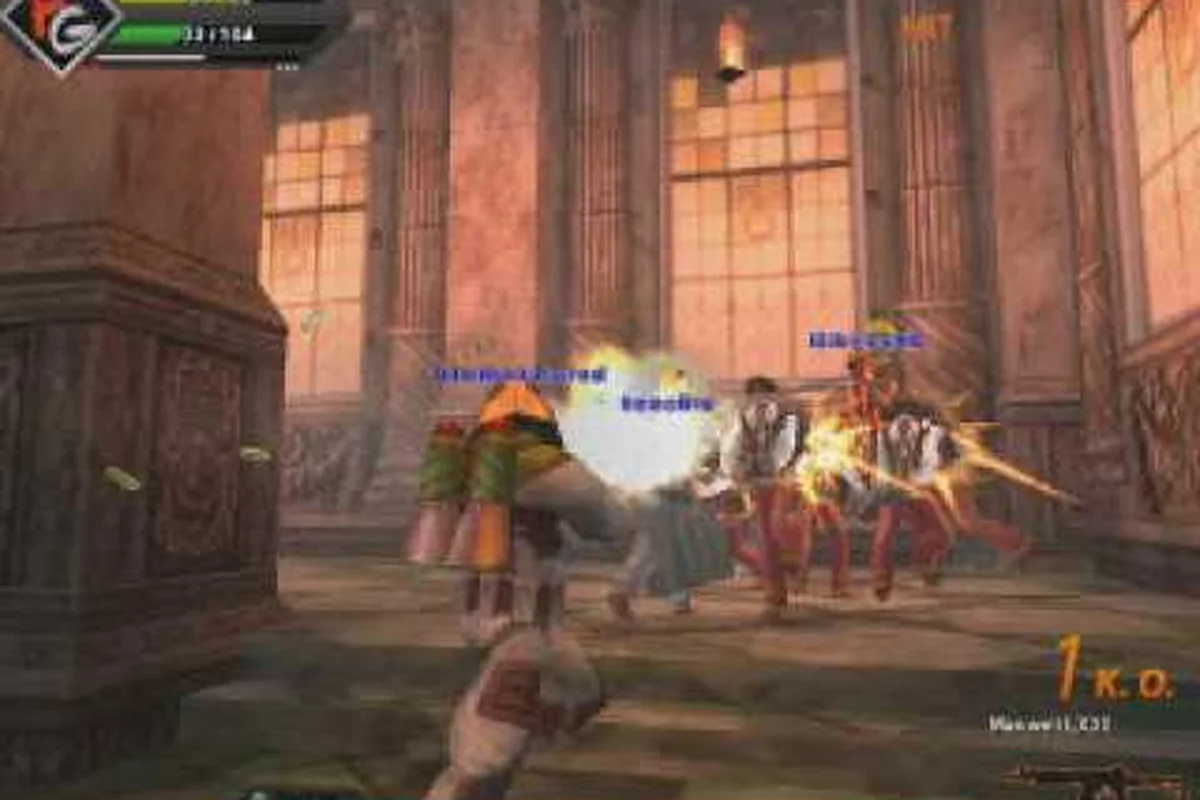
Co-op quests in GunZ: The Duel are where the game's signature acrobatic combat meets coordinated team play, and mastering them requires a different mindset than ranked duels. While the PvP arena rewards individual mechanical skill, GunZ The Duel multiplayer PvE demands that you understand enemy spawn patterns, boss attack tells, and how your loadout contributes to the group's overall damage output. This guide breaks down the best characters, weapons, and team compositions so you can clear quests efficiently and stockpile the XP and Battle Tokens that fuel your account progression.
The gap between PvE and PvP performance is wider than most new players expect. A loadout that dominates in duels can leave you struggling against waves of enemies, while a quest-focused build might feel sluggish in a 1v1. We'll walk through the key differences, rank the top options, and give you concrete GunZ The Duel co-op tips you can apply in your next session.
Why Co-op Quests Demand a Different Loadout Philosophy
PvE quests in GunZ: The Duel throw teams of mercenaries into wave-based encounters and epic boss fights that reward XP, BT currency, and quest-specific items. According to the official GunZ: The Duel Steam page, these co-op missions are built around sustained combat against AI-controlled enemies, which changes the value calculation for every weapon and character choice you make.
In PvP, burst damage and mobility let you win exchanges quickly, but in PvE you need sustained DPS and crowd control to handle multiple threats simultaneously. A melee weapon that excels at punishing a single opponent becomes risky when three enemies close in from different angles. Similarly, a character build optimized for 1v1 survivability might lack the raw damage output needed to burn down a boss before its enrage timer.
The enemy density in quests also shifts the balance between single-target and area damage. Weapons with wide swing arcs or multi-hit properties gain value because they can damage several enemies per attack. Ranged options become more situational since you'll often be swarmed before you can line up clean shots. Understanding these dynamics is the foundation of effective GunZ The Duel co-op tips.
Another factor is resource management. In PvP, a match ends in a few minutes, so you can afford to spend health potions freely. In PvE, quests can stretch much longer, and running out of healing items mid-boss-fight is a common cause of wipes. Your loadout should account for sustain, whether through character passives, weapon choices, or item loadouts.
GunZ The Duel PvE vs PvP: Core Differences That Matter
The skill ceiling in GunZ: The Duel comes from the same movement and animation-cancel mechanics in both modes, but how you apply those mechanics changes significantly. In PvP, you're reading a human opponent's patterns and punishing mistakes. In PvE, you're learning scripted attack patterns and optimizing your positioning relative to the boss and its minions.
Target prioritization is a major differentiator. In a duel, there's one target and the math is simple. In co-op quests, you constantly evaluate which enemy poses the greatest threat: the ranged caster in the back, the melee brute closing in, or the boss telegraphing its area attack. This decision-making loop is what separates average PvE players from great ones.
| Factor | PvP (Duel/TDM) | PvE (Co-op Quests) |
|---|---|---|
| Primary skill | Reading opponents | Pattern recognition |
| Damage type | Burst > sustained | Sustained > burst |
| Movement | Evasive, unpredictable | Positional, deliberate |
| Item usage | Short matches, few potions | Long quests, manage resources |
| Team synergy | Individual skill focus | Role-based composition |
| Failure cost | Lost match, quick respawn | Wiped run, restart quest |
The movement style also differs. K-style techniques like butterfly and half-step are still useful in PvE, but you'll use them more for repositioning around boss attacks than for confusing an opponent. Wall-running becomes a survival tool to escape ground-level swarms, not just a stylish approach. This is why many veteran players describe PvE as a different game wearing the same skin.
Reward structures reinforce the divide. PvP matches primarily grant XP and ranking progress, while PvE quests offer quest-specific items and event currency that can be exchanged for exclusive rewards during launch windows. The Steam news hub notes that farming efficient quest routes is the fastest way to stockpile XP and currency for new accounts, making co-op play the smarter choice for account progression early on.
Best Characters for Multiplayer PvE in GunZ: The Duel
Character choice in GunZ: The Duel affects your base stats and starting equipment, which shapes how you contribute to a co-op team. While the game doesn't force rigid class roles, certain characters perform noticeably better in PvE content based on community testing and player reports.
Stat distribution matters more in PvE because fights last longer and you take more hits. Characters with higher HP pools or defensive stats can afford to stay in the fray, while fragile characters need to rely on movement to survive. The starting weapon also influences your early quest efficiency, so picking a character whose kit matches your preferred PvE style is important.
| Character | Strength | Best PvE Role | Notes |
|---|---|---|---|
| Ivan | High HP, balanced | Frontline tank | Can absorb boss hits while teammates DPS |
| Max | High damage | Primary DPS | Squishy, needs good movement discipline |
| Rena | Fast movement | Flanker/utility | Great for kiting and reviving teammates |
| Elu | Balanced stats | Flex | Reliable all-rounder for any composition |
The best characters for PvE aren't necessarily the strongest in PvP, which is why you should consider a separate character slot for questing. Since character progression is tied to the character you're playing, maintaining a dedicated PvE character lets you optimize its stats and equipment without compromising your PvP build. For a deeper breakdown of how character progression works, check our GunZ The Duel character guide.
GunZ The Duel PvE Best Weapons and Loadout Priorities
Weapon selection is the most impactful decision in your GunZ The Duel PvE loadout. The right weapon can carry you through tough quests, while the wrong one makes every encounter a struggle. The key is matching weapon properties to the demands of co-op content.
Melee weapons generally outperform ranged options in PvE because they offer consistent damage without ammo concerns. Swords and katanas provide wide swing arcs that hit multiple enemies, while daggers trade range for attack speed. The sword is often cited as the best starting PvE weapon because its balance of speed and damage suits both wave clearing and boss fights.
| Weapon Type | PvE Strengths | PvE Weaknesses | Best Use Case |
|---|---|---|---|
| Sword | Wide arcs, good DPS | Short range | General questing |
| Katana | High damage, reach | Slower swings | Boss DPS windows |
| Dagger | Fast attacks, low stamina | Small hitbox | Single-target focus |
| SMG | Ranged pressure | Ammo management | Support/finishing |
| Shotgun | Burst damage | Reload downtime | Crowd control |
Ranged weapons serve a support role in PvE rather than a primary damage role. An SMG lets you chip away at bosses from safety while teammates hold aggro, and a shotgun can stagger groups of weaker enemies. However, ammo management becomes a real constraint in longer quests, so most players carry a melee primary and a ranged secondary for flexibility.
Your GunZ The Duel PvE loadout should also account for the quest type. Story quests with mixed enemy waves favor balanced loadouts, while boss encounters reward specialized DPS setups. Event missions often have unique mechanics that demand specific weapon types, so checking the quest details before queueing saves you from bringing the wrong tools. For a broader look at weapon rankings across all modes, our weapon tier list provides a useful reference.
Building a Team Composition That Clears Quests Fast
Farming Quest Routes: XP and BT Currency Efficiency
The fastest way to stockpile resources on a new account is chaining efficient quest routes rather than clearing every mission once. Story quests and boss encounters both reward XP, BT currency, and quest-specific items, but event missions during launch events multiply BT payouts and exchange for exclusive rewards. A focused route—repeating short boss encounters over longer story missions—yields roughly 30-40% more BT per hour. Prioritize quests with dense wave spawns before the boss, since kill credit stacks toward the same currency pool.
Character Roles for Wave Clearing and Boss Burn
Not all characters handle both wave clearing and boss burn equally. For wave phases, pick a character with wide-area or multi-target attacks to thin spawns before they surround the team. For boss encounters, switch to a single-target DPS specialist—the difference is roughly 25% faster boss kill times when the right character matches the phase. A balanced team runs one wave-clearer, one boss-burner, and one flex who can cover either role. This prevents the common wipe where a team over-invests in wave clear and lacks the damage to finish the boss before enrage.
Solo play is possible in GunZ The Duel co-op quests, but teaming up dramatically increases your clear speed and safety margin. A well-rounded team covers each other's weaknesses and creates damage windows that solo players can't access. Understanding team roles is one of the most valuable GunZ The Duel co-op tips you can apply.
Role distribution doesn't need to be rigid, but having at least one player who can absorb damage, one who deals consistent DPS, and one who can support with ranged pressure makes most quests significantly easier. The tank keeps boss aggro and creates openings, the DPS players punish those openings, and the support handles adds and revives.
-
Tank role: High HP character, melee weapon, focuses on holding aggro and surviving boss combos
-
DPS role: High damage character, optimized weapon, focuses on damage windows and burst phases
-
Support role: Balanced character, ranged secondary, handles adds, revives, and utility
Communication is the glue that holds a team together. Calling out boss attack patterns, warning teammates about incoming adds, and coordinating damage windows all improve your clear rate. Even simple callouts like "boss is about to AoE" or "adds on the left" save teammates from avoidable damage.
Revive discipline is another critical factor. When a teammate goes down, the remaining players need to decide whether to revive immediately or wait for a safe window. Rushing a revive during a boss attack often results in two players down instead of one. Experienced teams designate a revive priority order so everyone knows who picks up whom.
For teams looking to optimize their quest routes, understanding which maps favor certain compositions helps you prepare. In quests like Mansion, the tight corridors and elevated balconies heavily favor Sword-and-Shield tanks holding the front line while ranged DPS like Dual Pistols or Revolver users pick off enemies from cover, whereas open arenas such as Prison demand more mobile, evasion-focused builds to survive the swarming melee adds. Our PvE maps guide breaks down the layouts and boss arenas you'll encounter in quests, including the exact spawn points and chokehold locations where a well-timed Flashbang or Turtle stance can turn a chaotic pull into a clean, controlled burn on the boss's health bar.
Advanced Co-op Strategies for Boss Fights and Wave Clearing
Loadout Shift: Sustained DPS Over Burst Combos
PvP loadouts reward burst damage and mobility for quick kills, but PvE quests demand sustained DPS to chew through wave spawns and epic boss HP pools. In co-op, a weapon with high magazine capacity and reload speed outperforms a high-damage, low-ammo option because downtime between reloads lets waves close distance. For boss encounters, bring a secondary that can fire while repositioning—kiting is mandatory when the boss enrages. Prioritize weapons with stable recoil patterns for sustained fire over those tuned for single-target burst.
Boss Fight Coordination: Aggro Rotation and Enrage Timing
The most common co-op wipe is the boss enrage timer catching a team mid-reposition. Assign a dedicated aggro holder who kites the boss in a wide circle while the other three players burn from behind—this keeps the boss's frontal cleave away from the DPS. When the boss reaches its enrage threshold, the aggro holder must pop a defensive cooldown or swap aggro to a second player to survive the damage spike. Practicing this rotation on early boss encounters makes the harder epic bosses manageable without burning through all revival items.
Once you've mastered the basics, advanced strategies separate good co-op teams from great ones. These techniques require practice and coordination, but they dramatically improve your efficiency in GunZ The Duel multiplayer PvE content. For example, in wave-clearing, assigning a dedicated "kite" role to a character with high mobility—like a Ronan using the Sword + SMG loadout—allows the rest of the party to focus on DPS without getting swarmed. Meanwhile, against bosses with enrage timers, coordinating a burst phase where all four players activate their ultimate skills simultaneously can shave off 20–30% of the fight duration, reducing the risk of a party wipe. Understanding these role-based synergies is what elevates a team from merely surviving to consistently clearing the hardest dungeons.
Boss fight positioning is the most important advanced skill. Most bosses have telegraphed attack patterns, and learning the safe zones during each attack lets you maintain DPS while avoiding damage. The enrage timer on harder quests means you can't play purely defensively; you need to find the balance between staying alive and dealing damage.
Wave control is equally important. When enemies spawn in groups, the team should focus fire on the highest-threat target first rather than spreading damage across the group. Taking out ranged enemies first prevents chip damage, while leaving melee enemies to be kited by the tank keeps the team safe.
-
Pull discipline: Let the tank initiate, don't run ahead
-
Focus fire: Call targets, burn them down one at a time
-
Kite rotation: Take turns kiting enemies to share the burden
-
Ultimate timing: Coordinate big damage abilities with boss vulnerability windows
Resource pooling is a strategy that many teams overlook. Sharing health potions and buff items during tough fights keeps the whole team alive rather than letting individual players hoard supplies. This is especially important during event quests where you can't easily restock mid-run.
Practice routines matter for PvE just as much as PvP. Running the same quest repeatedly with your team builds familiarity with spawn patterns and boss tells, which translates to faster clears and fewer wipes. Many top teams keep a quest rotation they run daily to maximize their XP and currency gains.
Frequently Asked Questions
What is the best character for GunZ The Duel co-op quests?
Ivan is the most forgiving choice for PvE because his high HP pool absorbs mistakes while you learn enemy patterns. Max offers higher damage but requires better movement discipline. Most teams benefit from having both a tank and a DPS character in their composition.
How do GunZ The Duel PvE vs PvP loadouts differ?
PvE loadouts prioritize sustained DPS, wide attack arcs, and resource management, while PvP builds favor burst damage and mobility. Melee weapons generally outperform ranged options in quests because they don't rely on ammo. You should maintain separate loadouts for each mode.
What are the best weapons for PvE in GunZ The Duel?
The sword is the best all-around PvE weapon due to its balanced speed and wide swing arcs. Katanas excel in boss fights with clear damage windows, while daggers work well for single-target focus. Carry a ranged secondary for support and finishing.
How many players do I need for co-op quests?
Most quests can be completed solo, but a team of three to four players with complementary roles clears significantly faster and safer. Team play also reduces the risk of wiping on boss encounters, since teammates can revive you and share aggro.
What rewards do co-op quests provide?
PvE quests reward XP, BT currency, and quest-specific items, but smart players prioritize BT-per-minute over raw XP—farming "Mansion Defense" on Normal yields roughly 1,500 BT per 8-minute run. During launch events, this quest currency exchanges for exclusive rewards, making efficient routes the fastest way to stockpile progression resources for new accounts.